Mesa Breakdown
This article was created in partnership with MESA, a sponsor of U.S. Soccer Parent.
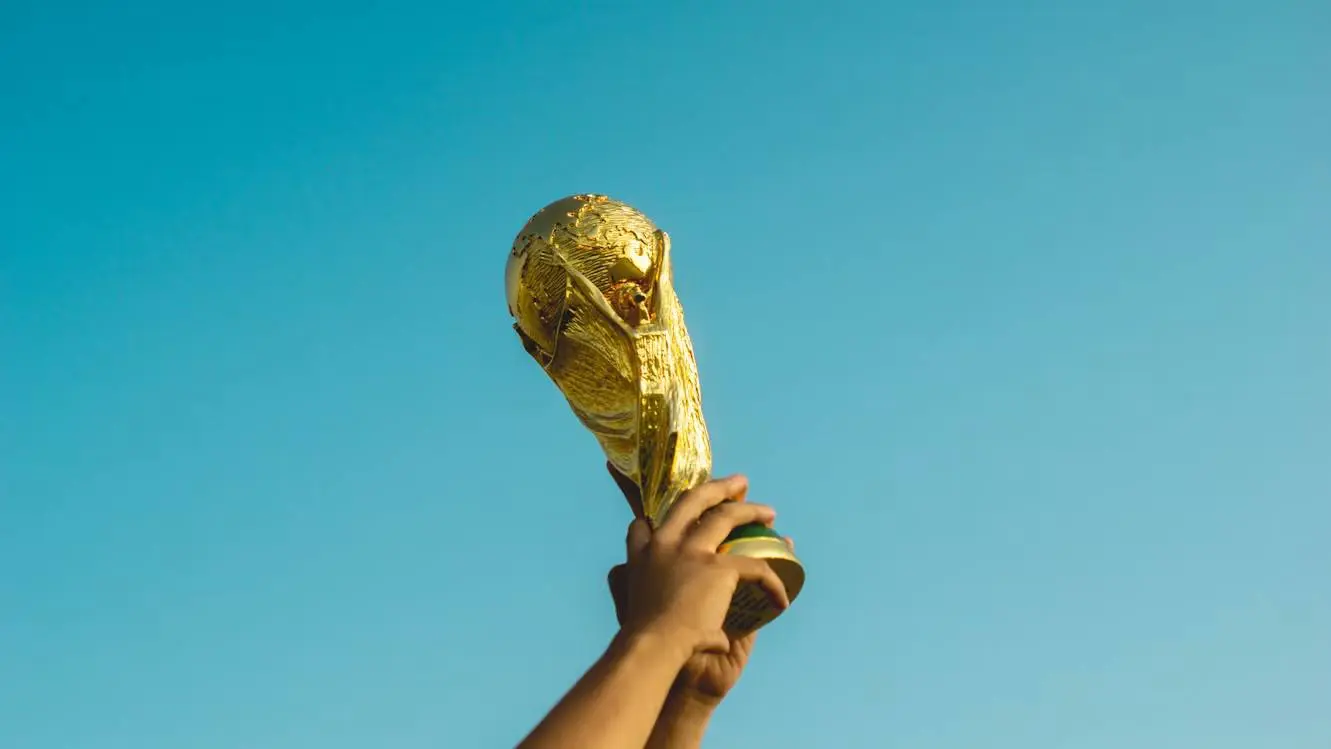
Spain’s FIFA World Cup 2026 victory – and Rodri’s crucial role – exemplify the principles of modern football. Discover how Madrid Euro Soccer Academy brings this methodology to life.
Spain at the World Cup: A Consistent Powerhouse
During the 2026 FIFA World Cup, Spain proved that they’re a football powerhouse — and undoubtedly the best team in the world.
Their composed performances, match control, and adaptability showed why they deserved their victory. La Roja exemplified the distinct character of Spanish football — which we live and breathe here at Madrid Euro Soccer Academy.
The Key Principles Behind Spain's Football
Spanish football is known for its emphasis on possession-based play. After all, it was Spain’s tiki-taka—a style of play built on ball possession, quick passes, and constant player movement—that helped them clinch the World Cup in 2010.
Yet, we observed this summer that while maintaining possession is still a key part of the Spanish Way, there are other building blocks that were just as important. Ball possession needs to go hand-in-hand with decisive positional play. This is how Spain was able to stretch opponents, create space in tight areas, and generate chances to win the ball higher up the pitch.
We wanted to integrate this game play during our MESA Summer Program, which is why we conducted the 100 Game during our training sessions. This high-tempo passing drill pushes players to complete 100 consecutive passes in tight spaces, all while under constant pressure from opponents. Through this, we challenged players to improve their focus, scan before receiving the ball, and understand purposeful movement on the field.
Positional fluidity helped Spain control the tempo of their matches, which was especially noticeable in their 2-1 quarter-final win against Belgium. Because their opponents followed a more structured, man-oriented defensive system, Spain purposely drew Belgium’s defenders out of position, effectively breaking their lines.
Spain was proactive, not reactive. When a Spanish player lost the ball, the team executed a relentless counter-press. They would regain the ball in 11.57 seconds, the quickest of all the quarter-finalists. Adjusting the game plan to their opponent’s style of play was an important part of Spain’s campaign.
At our Spanish football academy, we also aim to develop this deep game understanding among our players. One of the activities we conduct is the Game Plan Challenge, which pushes players to analyze and solve match scenarios together. This strengthens team communication and improves their match comprehension.
Rodri: The Anchor of Spain’s World Cup Squad
For us at MESA, Spain’s captain, Rodri, was a noticeable standout in the squad.
Spain’s manager, Luis de la Fuente, made Rodri’s importance clear: “Rodri is the best player in the world. Even at 50%, he is better than most other midfielders in the world. He brings clarity, vision, balance.”
Rodri is a product of the Spanish Way. Born in Madrid, the midfielder began his journey with the local club CF Rayo Majadahonda, before joining Atlético Madrid’s youth academy in 2007. A Ballon D’Or Winner, his composure, precision, and leadership are products of his development environment—one that prioritizes understanding the game from an early age.
He was especially important in Spain’s 2-0 semi-final victory over France, completing 87% of his passes, and winning 11 out of 16 duels—more than France’s entire midfield combined. Heading into the final, he had completed 655 passes, the most by a player in the tournament since 1966.
Rodri’s success proves that today, the best midfielders need more than athleticism and technical ability. They need a deeper level of game intelligence, versatility, and mental resilience in challenging game situations.
A Golden Highlight: Spain’s Road to the Final
We especially enjoyed the semi-final, and how it showed just how effective coordinated pressing and quick, smart passing can be—principles we instill in MESA players.
Despite France’s prolific trio of Kylian Mbappé, Ousmane Dembélé, and Michael Olise, Spain’s experienced midfield controlled the pace of the match. Their full-backs—particularly Real Madrid’s Marc Cucurella, also helped support the build-up when needed. The French players were effectively unable to obtain the ball, and were left chasing Spain’s speedy passes around the field.
During the final, La Roja was just as dominant. They completed 763 passes—more than twice Argentina’s number. With 65% possession, they essentially dictated the match. Yet what amazed us the most at MESA was that even if this team was playing at the highest level of football, foundational skills were still present.
We’d notice Spanish players scanning the pitch before receiving the ball, looking behind to see if there was any pressure. One-two passing combinations became Spain’s solution to Argentina’s tight defense. When a Spanish player had the ball, his teammates moved and purposely opened up space for passing options.
These are skills taught at the earliest levels, still exemplified on football’s biggest stage.
MESA: Living the Spanish Game
Similar to the Spanish national team, at MESA, we train our players to solve challenges, adjust to unpredictable situations, and strengthen their foundational skills.
This MESA immersion in the Spanish methodology goes past the training ground. Here, we simulate an ecosystem that encourages players to grow technically, tactically, physically, and personally.
Spain’s World Cup success shows that at the core, great teams are made of complete, modern footballers. This is why Madrid Euro Soccer Academy strives not only to teach players about Spanish football, but to let them experience it.
Train in Spain, embrace its football culture, and develop as a complete player with our Football Academy in Spain, where players train alongside Spanish club academies while staying on their US academic track. Learn more about MESA today.

Julio César Gómez
Co-founder & Academy Director
More About Madrid Euro Soccer Academy
Explore more of our coverage on Spanish soccer development and what training in Madrid looks like for American families.
- Total Spanish Immersion Soccer in Madrid: Inside MESA's Programs — How UEFA-licensed coaching, daily competition, and living inside Spanish soccer culture develop a complete player.
- Spain Girls Soccer Development: Why It Leads Globally — Liga F, elite youth competition, and the pathway options available to aspiring female players in Spain.
- Inside the Mind of a Scout: How We Identify Talent — MESA's coaching staff on the habits, work rate, and game IQ they look for beyond obvious ability.