
Midfielders are the “engine” of a team, linking defense and attack, controlling space, and often deciding the rhythm of a match.
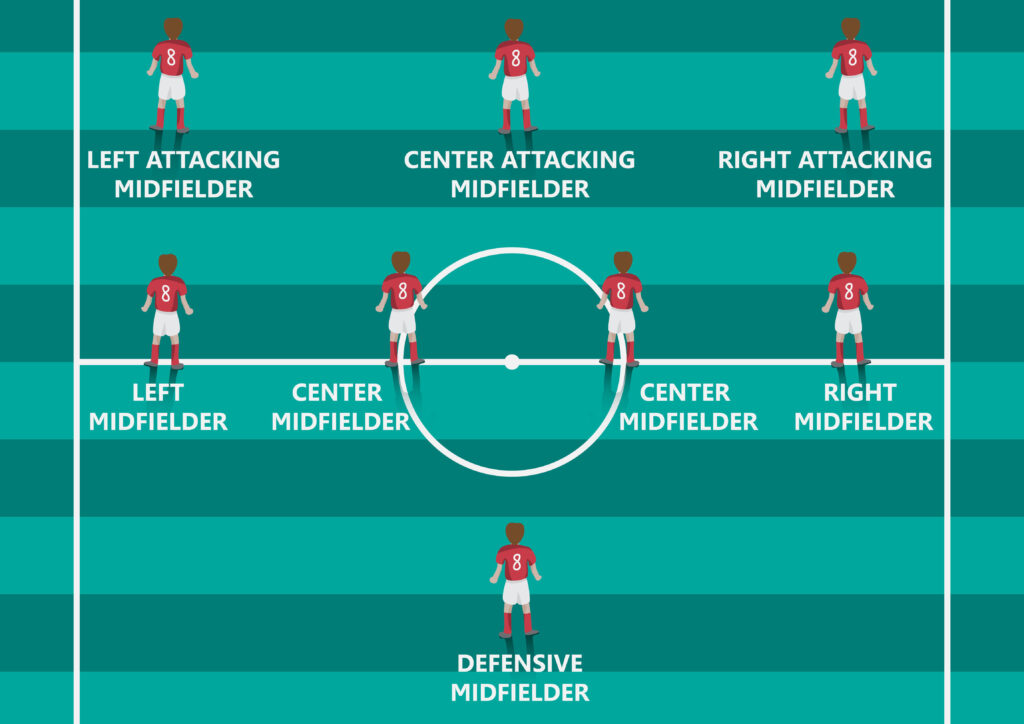
Think about Luka Modrić in Croatia and Real Madrid’s midfield: one moment he is helping his defenders escape pressure, the next he is threading a pass to launch a counter—classic 8/6 hybrid work.
Yaya Touré’s 2013–14 season for Manchester City, when he powered through midfields and arrived late to score 20 league goals, shows how devastating a physically dominant central midfielder can be.
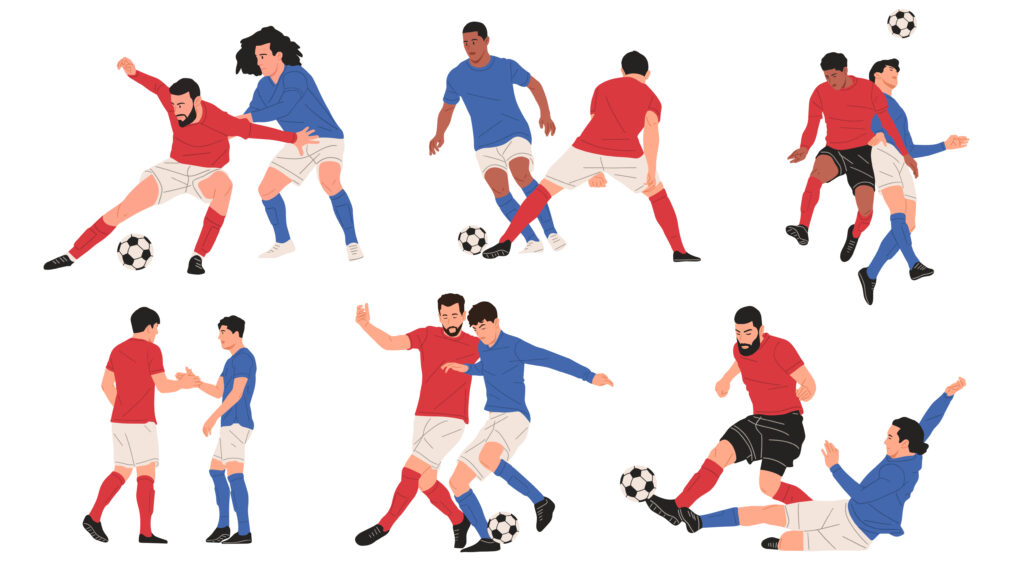
Xavi’s control of Barcelona’s midfield under Guardiola—constantly receiving, turning, and finding the free man—remains the textbook example of how a midfielder can dictate an entire game’s tempo.
Defensive midfielder (6):
Central / box‑to‑box midfielder (8):
Attacking midfielder / 10:
Unit work (6‑8‑10 together):
Kevin De Bruyne’s whipped assists from the right half‑space for Manchester City—often delivered on the run after timing a late burst from midfield—show how an attacking midfielder/8 can be as deadly a creator as any winger.
| Role | Primary job | Typical traits | Extra demands |
|---|---|---|---|
| Defensive mid (6) | Protect back line, start build-up | Strong positioning, tackling, simple passing | Constant scanning, cover fullbacks |
| Central / box-to-box 8 | Link defense and attack | High stamina, balanced skill set | Late runs, support press and build |
| Attacking mid (10) | Create chances, score from midfield | Creative, quick feet, vision | Press from front, handle tight spaces |
| Wide mid (7/11) | Support inside and wide, both ways | Work rate, crossing, combination play | Track runners, help fullbacks |
Keep Going
Explore other playing positions and the rules that shape how young players learn and experience the game.
Stay up to date with the latest youth soccer news. Join our community today!