World Cup on home soil, surge on local fields
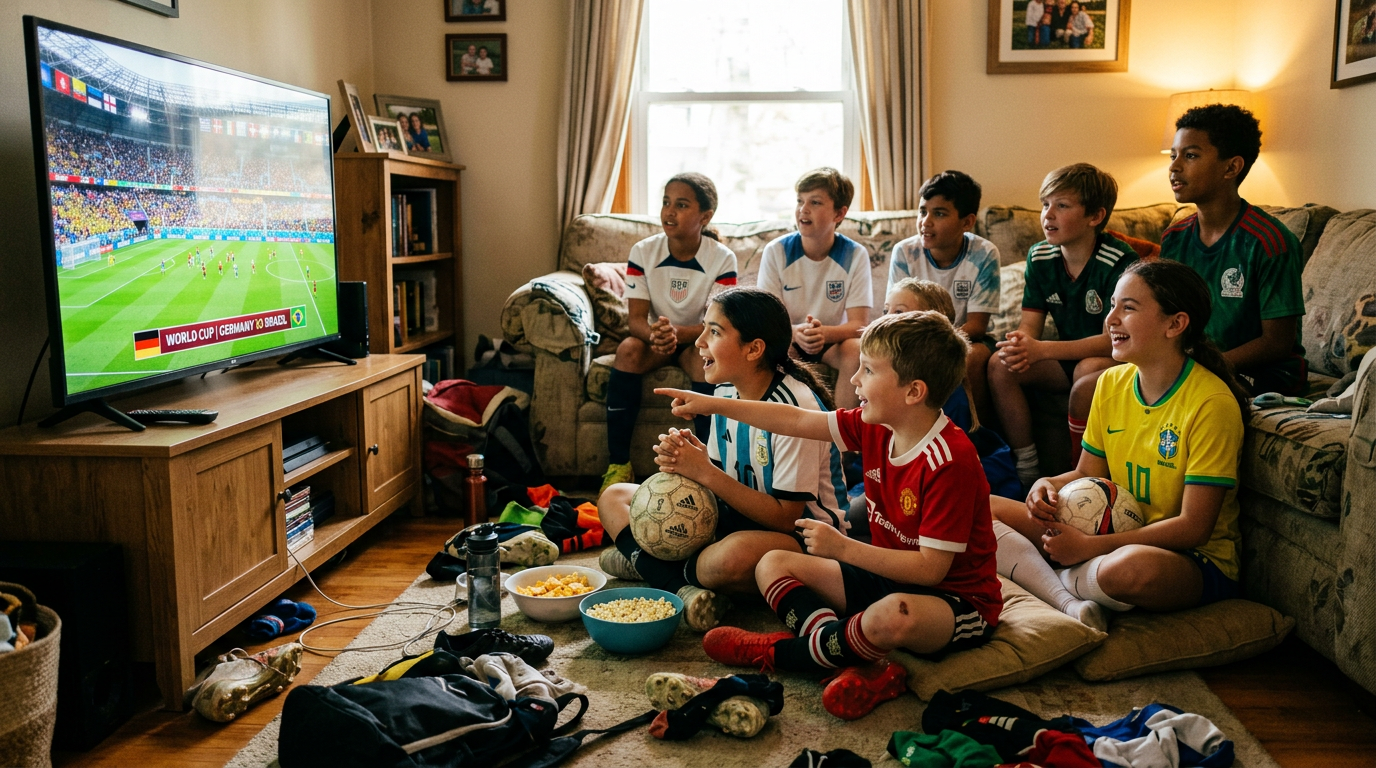
With the World Cup now underway in North America, youth soccer programs across the U.S. are reporting a clear bump in interest, registrations, and visibility. Kids are not just watching the tournament on TV — they are seeing it spill into their schools, parks, and neighborhood clubs.
From free clinics in Miami to surprise World Cup tickets for a Queens school team and booming participation in Chicago and smaller markets, the tournament is acting as a real‑time accelerator for the American youth game. The next test will be whether that surge survives once the World Cup leaves town.
The “demonstration effect”: Kids see it, then want to play
Sports researchers have long described a “demonstration effect,” where mega‑events inspire children to take up or stick with a sport after seeing elite athletes perform on a big stage. Early signs around World Cup 26 suggest that effect is playing out in youth soccer.
Clubs, YMCAs, and community organizations in multiple cities are reporting fuller programs and higher demand for camps and clinics. Parents are hearing the same question from kids after watching matches: “Can I play too?” For local organizers, this World Cup is less about TV ratings and more about seizing a once‑in‑a‑generation recruitment window.
Miami: World Cup clinics bring legacy to local parks
In Miami, the World Cup impact is visible well beyond the stadium. The 2026 Miami Host Committee’s “One Game One Future” initiative is running youth clinics across Miami‑Dade, targeting communities that traditionally have fewer resources and less access to organized soccer.
These sessions combine on‑field instruction with health screenings, mentorship, and social‑emotional learning. Kids get quality coaching and a taste of World Cup excitement, but they also connect with local organizations that can support them long after a single clinic ends. For families, it’s a rare combination: a global event translated into a free or low‑cost neighborhood opportunity.
Queens: A school team’s surprise World Cup moment
In Queens, New York, the World Cup became real for one school team when players at PS 171Q were surprised with free tickets to a match. For many of the students, it was their first time inside a major stadium, watching the sport they play at recess on the biggest stage in the world.
The moment, captured by national media, was more than a feel‑good story. It highlighted a deeper question: who gets access to these experiences when a mega‑event comes to town? In this case, a public school team benefited from targeted outreach and partnerships.
For athletic directors and club leaders elsewhere, the lesson is clear: relationships with host‑city organizers, sponsors, and community foundations can turn big‑event buzz into real opportunities for everyday kids, not just elite academies.
Chicago and beyond: Clubs ride the wave
In Chicago, cameras have focused on local YMCA and community soccer programs that are seeing spikes in participation as the World Cup kicks off. Coaches describe more diverse groups of kids showing up, energized by watching national teams and star players in a tournament that finally feels “theirs.”
Smaller markets are feeling the ripple too. In places far from host stadiums, clubs are using the World Cup as a hook — organizing viewing parties, small‑sided tournaments, and training sessions built around what kids just watched on screen. Directors say the tournament has become a powerful marketing and retention tool: an easy, organic way to invite kids onto the field.
The message is the same in big cities and small towns: when the World Cup is on, it’s easier to get kids and families to say yes to soccer.
After the final whistle: Turning hype into habit
With the tournament underway, the central question is shifting from “Will this spark interest?” to “How do we keep kids playing once the World Cup ends?”
Several practical strategies are emerging:
- Lock in routines now.
Parents and coaches can turn short‑term excitement into long‑term habit by establishing weekly play times, from formal practices to informal pickup games with friends. - Give kids an immediate next step.
Clubs that offer post‑World‑Cup open houses, free “try soccer” days, or rolling evaluations will be better positioned to capture new interest instead of losing families to long registration gaps. - Keep referencing World Cup moments in training.
Coaches can use clips, stories, and examples from the tournament in practice plans, so the magic of the World Cup continues to fuel learning and engagement. - Sustain partnerships, not just events.
The organizations helping deliver clinics, tickets, and mini‑pitches around World Cup 26 can remain long‑term allies if clubs stay in touch and look for ongoing funding, scholarships, and programming support. - Protect what’s growing.
As numbers grow, safeguarding and player‑first culture become even more important. Strong policies and youth voice will help ensure that this boom is healthy, not just bigger.
The World Cup will leave North America in a matter of weeks. The kids it inspired — in Miami parks, Queens schoolyards, Chicago gyms, and small‑town fields — are staying. Whether this moment becomes a real turning point for U.S. youth soccer will depend on what parents, coaches, and communities do next.