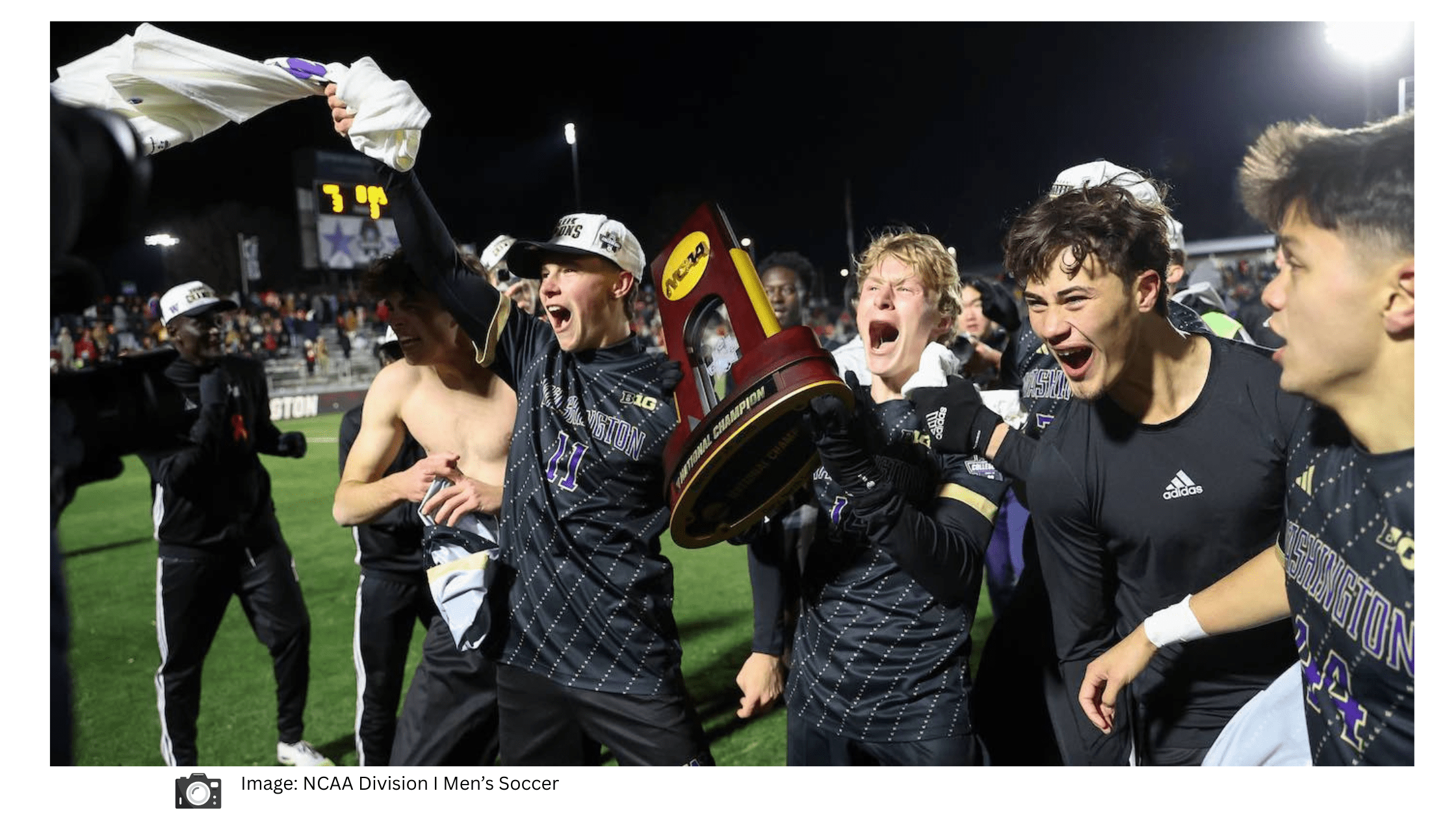
The NCAA’s Division I Men’s Soccer Oversight Committee adopted legislation to spread the championship season across both fall and spring semesters, effective August 1, 2027, pending review by the Division I Cabinet in June. Under the new model, teams can still play up to 25 matches, but they will be split into a fall segment of up to 18 games and a spring segment of up to 10 games.
The fall season will run from late August through the Saturday before Thanksgiving, while the spring segment will begin in mid‑February and lead into the NCAA tournament. The Division I Men’s College Cup (national championship) will move from its current December slot to the spring, with exact dates to be finalized.
New D1 men’s soccer calendar
| Segment | Window (approx.) | Max games | Key change |
|---|---|---|---|
| Fall | Late Aug – Sat before Thanksgiving | 18 | Fewer midweek games, more recovery time |
| Spring | Mid‑Feb – NCAA championship in spring | 10 | Regular‑season games plus full postseason in spring |
Why this change matters
The NCAA’s stated rationale is centered on **student‑athlete** welfare and academic balance. By stretching the season across two terms, the model is designed to reduce the crush of multiple games per week, cut down on midweek travel, and therefore limit missed class time. A more decompressed schedule also gives players longer recovery windows between matches, which the committee argues should support injury prevention and better return‑to‑play protocols.
There is also a broader competitive and developmental angle. Commentators note that a longer, more “year‑round” season aligns better with global soccer calendars and could help college soccer remain relevant as MLS and USL pathways draw top prospects away. Coaches and analysts have framed this as a “new era” for college soccer that may improve player development, increase meaningful games in the spring, and give the sport a clearer platform outside the crowded December championship window.
Is it only Division I? And only men?
As adopted, this legislation applies specifically to Division I **men’s** soccer. The press releases and committee actions all reference the “Division I Men’s Soccer Oversight Committee” and describe changes for Division I men’s programs only, with no parallel decision announced for women’s soccer or for Divisions II and III.
That doesn’t mean others can’t follow, but structurally they would need separate governance actions. Division I has its own oversight committees and Cabinet review process, so any move by DII, DIII, or women’s soccer would require their own proposals, membership buy‑in, and votes. For now, the NCAA documentation and media coverage consistently frame this as a Division I men’s soccer calendar change, not an association‑wide shift.