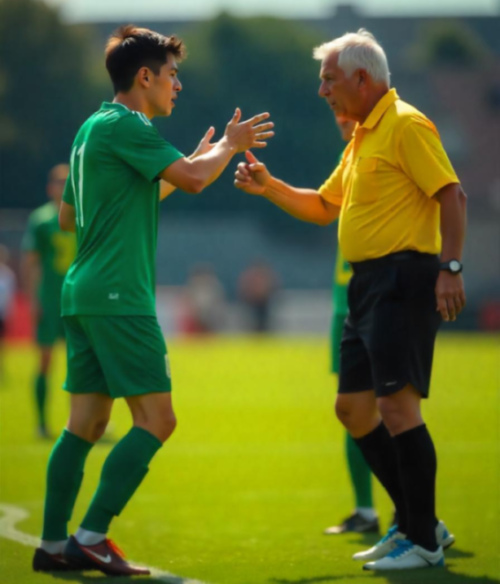

Referees are the backbone of soccer, ensuring fair play and safety for all participants. However, they often face verbal and physical abuse, which can lead to a shortage of officials and a negative experience for players and spectators alike. Recently, U.S. Soccer introduced an updated Referee Abuse Prevention Policy to enhance safety and respect for referees in youth and amateur soccer matches. This initiative is part of the broader “Respect The Call” campaign, aiming to create a more positive and respectful environment for everyone involved in the game.
The new policy is a significant step towards addressing these issues and promoting a culture of respect within the soccer community. As parents, we not only understand the importance of respect to the referees, but also respect for the game, sportsmanship, and modeling appropriate behaviors for our children.
Key Components of the Policy
The policy categorizes referee abuse into different levels, each with specific sanctions. Here’s a breakdown of what you need to know:
Non-Physical Abuse
- Level 1: Verbal Taunting
- Sanction: Minimum two-game suspension for using offensive, insulting, belittling, insinuating, or taunting language towards referees.
- Impact: This level of abuse can create a hostile environment and undermine the authority of referees, making it difficult for them to perform their duties effectively.
- Level 2: Harassment / Intimidation
- Sanction: Minimum four-game suspension for harassment, intimidation, retaliation, abusive language, or non-physical threats.
- Impact: This behavior can lead to increased stress for referees, potentially causing them to leave the sport prematurely.
- Level 3: Threats / Derogatory Language
- Sanction: Minimum six-game and/or 6-12 month suspension for aggression, attacking, derogatory language, doxing, physical threats, or cyberbullying.
- Impact: Such actions can lead to severe emotional distress and may deter potential referees from joining the sport.
- Level 4: Offensive or Discriminatory Acts
- Sanction: Minimum 10-game and/or 12-24 month suspension for comments about race, skin color, ethnicity, nationality, social origin, gender, disability, sexual orientation, language, or religion.
- Impact: These acts are particularly harmful as they target personal characteristics, creating a toxic environment that can have long-lasting effects on individuals and the community.
Physical Abuse
- Level 1: Minor or Slight Touching
- Sanction: Minimum three-game and/or 1-6 month suspension for minor or slight deliberate touching.
- Impact: Even minor physical contact can escalate situations and create a sense of vulnerability among referees.
- Level 2: Physical Confrontation
- Sanction: Minimum 10-game and/or 6-24 month suspension for pushing, grabbing, pulling, squeezing, pinching, slapping, use of an object in a non-striking manner, or property damage.
- Impact: This level of abuse poses serious risks to the safety and well-being of referees, potentially leading to physical harm.
- Level 3: Violent Contact
- Sanction: Minimum 12-month suspension to lifetime ban for hitting, punching, elbowing, kicking, biting, spitting, choking, tackling, kneeing, headbutting, or strikingly throwing an object.
- Impact: Such violent acts are extremely dangerous and can result in severe injuries, making them unacceptable in any context.
How Youth Soccer Parents Can Support This Initiative
As a parent, you play a crucial role in promoting respect for referees and the game. Here are some ways you can contribute:
- Model Good Behavior: Ensure that you and your child understand and respect the rules and the role of referees. Demonstrate positive behavior during games by applauding good calls and maintaining a respectful demeanor even when disagreeing with a decision.
- Educate Your Child: Teach your child the importance of treating referees with respect and kindness, even when disagreeing with a call. Explain that referees are human and may make mistakes, but their role is vital to the game.
- Support Referee Development: Encourage local programs that support referee training and development. This can include attending referee clinics, volunteering to help with local referee events, or simply expressing gratitude to referees after games.
- Promote a Positive Team Culture: Encourage your child’s team to adopt a culture of respect towards referees. This can be achieved through team discussions, setting clear expectations for behavior during games, and recognizing players who demonstrate respect towards officials.
As these new guidelines are implemented, it’s crucial to remember that every small action counts. Whether it’s a kind word to a referee or a conversation with your child about sportsmanship, each effort contributes to a larger movement toward a more respectful and enjoyable soccer community.

Gloria Cid-Stitt
Founder of US Soccer Parent (& soccer mom) I am a career marketer, mom, and lover of all things fútbol.