
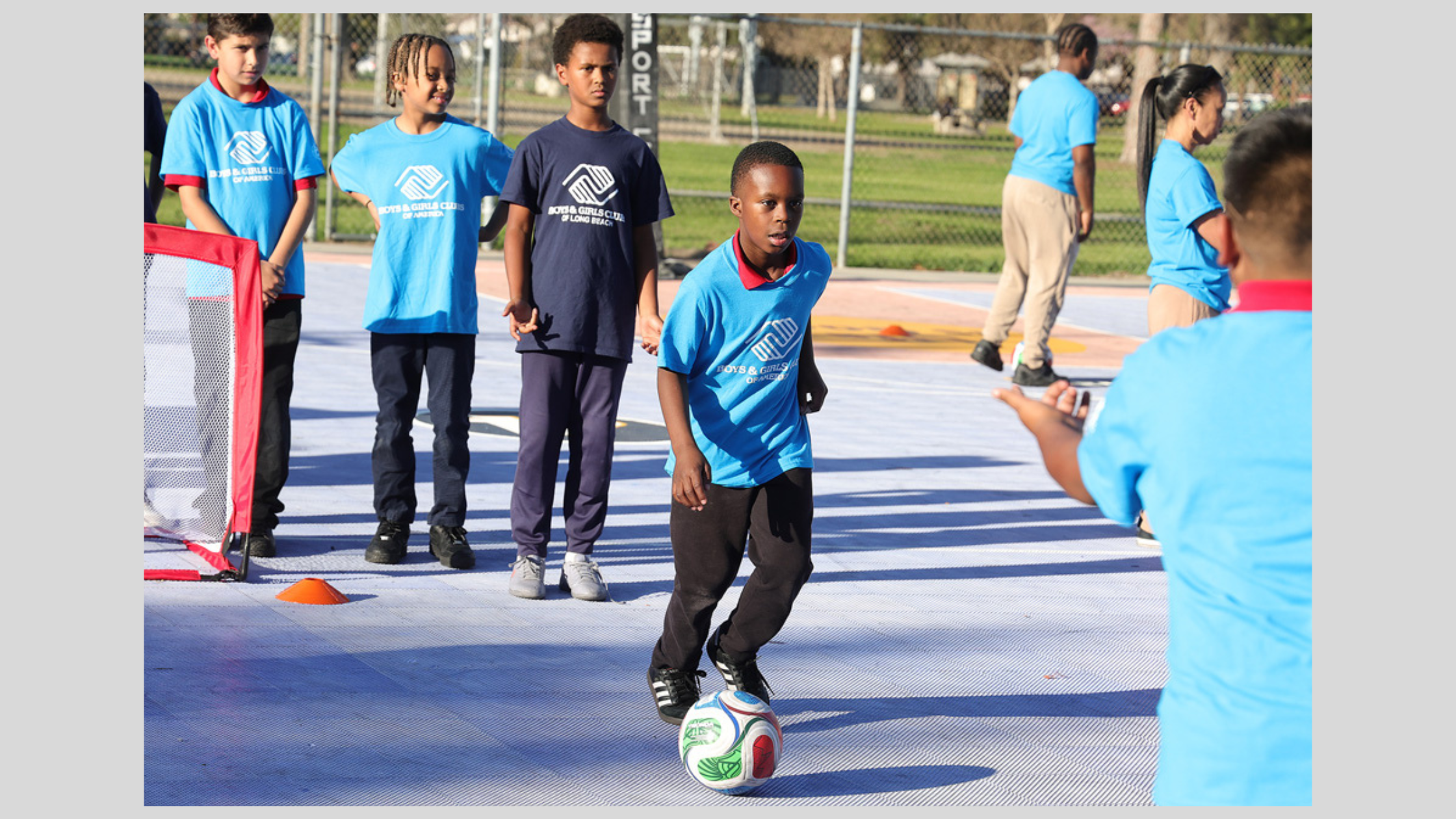
Boys & Girls Clubs of America is doubling down on its role as one of the most accessible on-ramps into youth soccer, announcing a nationwide push to expand low- or no‑cost programs just as the sport takes center stage ahead of major international matches in 11 U.S. host cities. The organization says the initiative is designed to counter rising participation costs that have helped drive down youth soccer numbers in recent years and left many families without a realistic way into the game.
Families now spend an average of 1,016 dollars per child each year on a primary sport, a 46 percent jump in five years, a trend Boys & Girls Clubs argues is pricing kids out and shrinking casual access to soccer fields in many communities. In contrast, more than 91,000 young people already play soccer through local Clubs, often at little or no cost, and the national organization’s new vision calls for nearly doubling that number to 180,000 while expanding programming across its 5,500 sites, from urban neighborhoods and rural towns to military installations and Native lands.
To meet those targets, Clubs plan to scale structured after‑school soccer offerings, invest in safe places to play, train coaches on youth‑development‑focused curricula, and launch teen referee and leadership pathways that turn entry‑level soccer experience into job‑ready skills. The effort explicitly aims to widen the pipeline for girls, with more teams and tailored programs, and to leave a “legacy” of new and refurbished pitches that remain in communities long after the current tournament cycle ends.
Boys & Girls Clubs is leaning on a broad slate of corporate and philanthropic partners to underwrite that accessibility push at a time when the “pay‑to‑play” model remains entrenched elsewhere in American youth soccer. New York Life Foundation’s three‑year “Coaching the Future” initiative will fund pitch upgrades, equipment and local events; The Coca‑Cola Company is offering teens pathways into sports marketing and referee credentials through its Future Careers Academy; Dove is deploying its Body Confident Sport program to help young athletes stay in the game; and FOX Sports, Walmart and Soccer Forward Foundation are backing “Soccer Forward Fests” to bring big‑event energy and free play opportunities directly to Club communities.
Additional support from Buffalo Wild Wings Foundation, Carter’s and PUMA will help seed more inclusive, recreational environments—through multi‑sport play days, youth‑led coverage of local soccer events, and donated athletic gear—that resemble the community‑based models common in soccer‑centric countries rather than the high‑fee travel ecosystem familiar to many U.S. parents. Research cited by Boys & Girls Clubs links these kinds of sports experiences to better academics, stronger mental health and higher fitness levels, and internal survey data show that Club participants are more likely to report trusted adult relationships and stress‑management skills—outcomes advocates say depend on keeping the doors to youth soccer open, affordable and close to home.
2 Responses
Would like to learn more about Boys and Girls club initiative to help reduce costs for children to engage in youth sport programs.
Here is the full press release. https://www.bgca.org/news-stories/2026/March/as-soccer-takes-center-stage-boys-girls-clubs-of-america-expands-youth-soccer-access-nationwide/