TOPSoccer remains the primary US Youth Soccer pathway for players with disabilities, with steady local expansion and club-led delivery rather than major new national structural changes this year.
TOPSoccer (The Outreach Program for Soccer) is a community-based training and team placement program for children and adults with intellectual, emotional, or physical disabilities, delivered through local US Youth Soccer–affiliated clubs. It provides players with diverse abilities a structured environment that is safe, supportive, and inclusive, emphasizing development, social connection, and meaningful participation over competition. Programs are intentionally flexible: organizers typically run 6–8 week seasons, group athletes by ability rather than age, adjust rules using U6–U10 small‑sided guidelines, and choose formats that range from skills-only sessions to small‑sided or full‑sided games, indoor or outdoor.
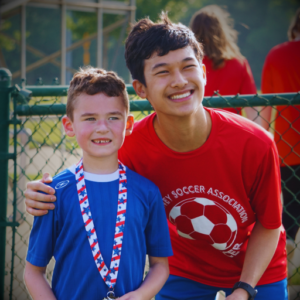
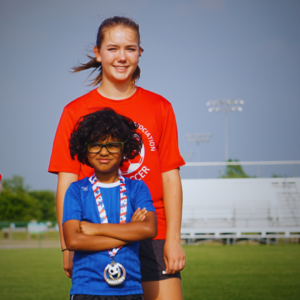
US Youth Soccer positions TOPSoccer as its flagship disability-inclusion program and the largest grassroots member of U.S. Soccer’s Disability Soccer Committee under the ADAPTandTHRIVE umbrella, with each participant typically paired with a trained “buddy” and led by coaches who complete USYS disability-focused education.
What this means for parents
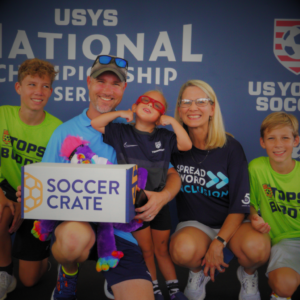
For parents, the practical implication is that TOPSoccer is often one of the lowest‑barrier entry points in youth soccer: many club and state‑association programs explicitly promote free or very low‑cost registration and welcome a wide range of support needs, sometimes including uniforms. Families are usually advised to start by checking their state association (such as Florida Youth Soccer Association) or nearby USYS clubs, then contacting the listed TOPSoccer coordinator for specifics on season dates, accommodations, and buddy support. For clubs and coaches, USYS emphasizes that no two TOPSoccer programs need to look alike; the expectation is to customize session design, staffing, and rules to the local athlete pool while investing in coach and buddy training so disability inclusion is integrated into club culture, not treated as a peripheral side clinic.