If you’re a parent trying to make sense of all the leagues, acronyms, and “pathways,” you’re not alone. The U.S. system can feel like a maze, so this page explains the main routes from local soccer to elite levels and helps you decide what makes sense for your child and your family.
In simple terms, a player’s development pathway in the U.S. moves from local recreational soccer to more competitive travel and club teams, and—if the fit and level are right—into elite national platforms and professional or college environments. The right path depends on your child’s age, goals, current level, and your family’s budget and travel tolerance.

U.S. Soccer Federation (USSF)
U.S. Soccer is the national governing body for soccer in the United States. It sets the overall direction for the sport, oversees national teams, and helps shape the long-term player development environment through its pathway strategy and standards.
Role in the pathway:
USSF provides the top-level framework, but most families interact more directly with leagues, clubs, and member organizations underneath it.

U.S. Club Soccer
US Club Soccer is a national member organization under U.S. Soccer that supports club-based development and competition. It is closely connected to many high-level youth leagues and identification programs that serve ambitious clubs and players.
Role in the pathway:
US Club Soccer is best known for club-centered platforms such as ECNL, and other competitive development environments.

U.S. Youth Soccer (USYS)
U.S. Youth Soccer is one of the largest youth soccer organizations in the country, built around state associations and broad participation. It supports leagues, state-level competition, player development programs, and pathways that serve both community-based and higher-level players.
Role in the pathway:
USYS is best known for its state association structure, ODP, and league pathways that connect local soccer to larger regional and national opportunities.
These organizations support different but sometimes overlapping youth soccer pathways. Here are some of the main leagues, programs, and development environments commonly associated
On the US Youth Soccer side, these platforms form a major pathway for players who want strong competition and potential regional or national exposure while often staying connected to their local clubs and state associations.
Elite Development Program (EDP): A large regional and national league with multiple competition tiers fostering player development and club competition.
National 1 – (formerly USYS National League): The highest levels of competition within USYS, culminating in national championships.
Olympic Development Program (ODP): Player identification and development for national teams, typically targeting top players in their age group within a state or region who are ready for higher‑level competition.
State and Local Leagues: Managed by 54 USYS State Associations overseeing club registrations and competitions at all levels.
These are national or regional elite club‑based leagues. They typically involve higher costs, more travel, and a stronger player pool, and they can connect motivated players to college, pro, or national‑team pathways.
Elite Clubs National League (ECNL): Premier national league for elite boys and girls youth clubs, offering regional and national competition.
National 1 – (formerlyNational Premier Leagues (NPL)): Provides high-level competition.
Development Player League (DPL): Elite girls’ league emphasizing long‑term player development.
Elite Academy League (EAL): Boys’ competition focusing on elite development.
National Academy League (NAL): Emerging pathway league connecting players to MLS NEXT and other elite tiers.
US Club Soccer Player Development Programs (PDP and id2): Identification and development pathways.
These pathways are more closely connected to elite competition, long-term development, and, in some cases, professional club environments. For families with players pursuing high-level soccer, these are some of the most important advanced pathways to understand.
MLS NEXT
MLS NEXT is the top boys’ academy platform in the United States and is operated by Major League Soccer. It is designed to support long-term player development in a professionalized environment and is one of the clearest pathways into pro academies and high-level college soccer.
Related guides:
Girls Academy and Aspire
Girls Academy is one of the top elite development environments in girls’ youth soccer. Along with Aspire and other high-level girls’ platforms, it offers strong competition, player development, and college exposure for athletes pursuing advanced opportunities.
Related guides:
USL Youth and Academy
USL Youth and USL Academy connect youth development to a broader club and professional ecosystem. For players in the right environments, this pathway can offer meaningful competition, long-term development, and a clearer bridge into pre-professional and professional club structures.
Related guides:
Not every player follows an elite national pathway. These organizations also play an important role in the broader youth soccer landscape, especially for recreational and community-based participation.
American Youth Soccer Organization (AYSO): Focus on inclusive recreation for all skill levels.
Soccer Association for Youth (SAY): Another recreational youth soccer organization.
There are several paths you can take; choosing one depends on your child’s age, goals, current level, and your family’s budget and travel tolerance. No matter which pathway you take, these ideas can help keep things in perspective:
Know your player’s goals. This is likely to change over time, and that’s okay, but it should still inform your decision-making on teams, leagues, and commitments.
Seek honest feedback. Have open conversations with your child’s coaches about current level, readiness for more challenge, and realistic next steps.
Remember pathways are not straight lines. Players move between levels as they grow, develop, and discover what they want from the game.
Below are three key pieces of the player development puzzle that parents should understand when mapping a pathway for their child.

Player identification programs, such as ODP, PDP, and id2, are designed to spot players who are already standing out in their club environments and give them additional training and competition. These programs often bring together strong players from different teams, provide exposure to new coaches, and create a clearer view of how a player compares within a broader pool. For many families, they are best understood as supplements to a good club situation, not replacements for a strong day‑to‑day training environment.
Why it matters for parents:
Identification programs can be helpful if your child is thriving in their current setting and wants extra challenge and visibility, but they should not drive every decision about teams or leagues on their own.
Youth leagues in the U.S. are organized in different tiers of competition, from local and regional travel leagues up to national platforms with stronger teams and higher demands. Some systems also use promotion and relegation, where teams can move up or down based on results, while others are closed leagues without movement between divisions. Understanding how a league is structured—travel demands, quality of opposition, event schedule, and long‑term opportunities—is more important than the name alone.
Why it matters for parents:
When evaluating a league, look beyond the label and ask how it fits your child’s current level, how often you will travel, and whether the overall environment (coaching, training, opponents) genuinely supports development.
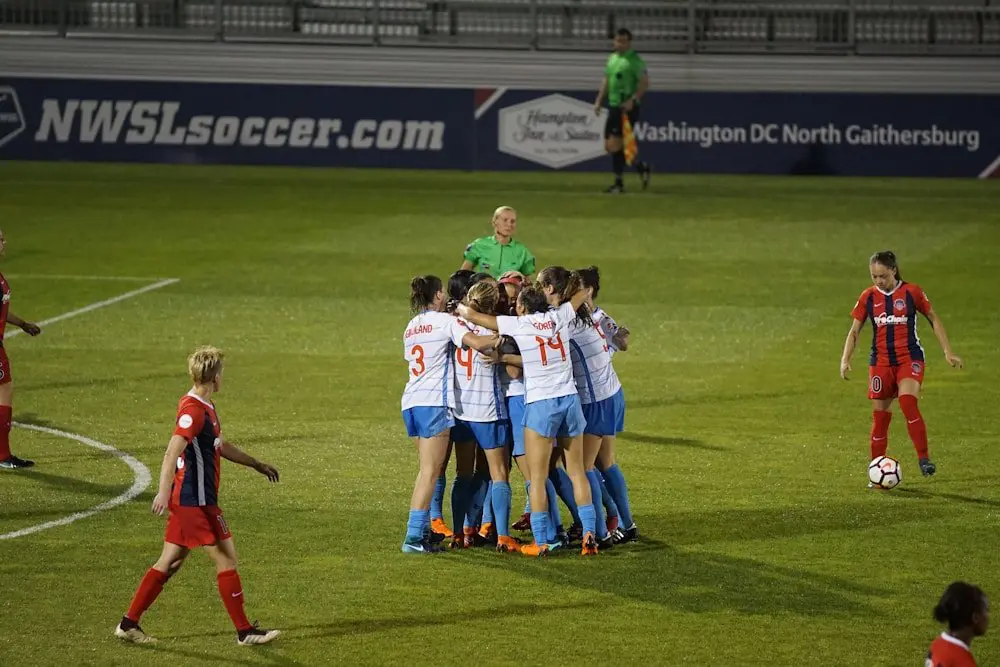

Different clubs take different approaches to player development. Some focus on long‑term growth, clear playing philosophies, and consistent coaching standards across age groups. Others may be more results‑driven, emphasizing weekend wins or short‑term outcomes over patient development. Club structure, staffing, and culture all influence how players are trained, challenged, and supported—often more than the specific league the teams play in.
Why it matters for parents:
Choosing a club with a healthy development model—strong coaching, age‑appropriate expectations, and a clear plan for helping players improve over time—can have more impact on your child’s pathway than chasing the most prestigious league label.
Parents often have similar questions when trying to understand youth soccer pathways, league levels, and the choices available to their family.
Recreational soccer is usually local, lower-cost, and focused on participation in a less demanding environment. Travel soccer typically involves stronger competition, more training, and a greater time and financial commitment. Elite soccer usually sits at the highest level, with more selective environments and, in some cases, clearer pathways into advanced youth, college, or professional opportunities.
Readiness is not just about talent. It also includes your child’s interest level, coachability, consistency, love of the game, and willingness to handle more training, stronger competition, and greater time commitment. Honest feedback from coaches can help families decide whether moving up is the right next step.
No. Playing in an elite environment can improve exposure and competition, but it does not guarantee a scholarship, college roster spot, or professional pathway. Development still depends on coaching, fit, playing time, long-term growth, and the individual player’s ability and motivation.
Families should look at coaching quality, training environment, travel demands, total cost, level of competition, and whether the club’s philosophy matches the player’s goals. A well-run club in the right environment is often more valuable than simply chasing the most prestigious label.
n general, higher-level soccer often brings more travel, tournament weekends, league fees, coaching costs, and other expenses such as uniforms and hotels. The right fit depends not only on the player’s level, but also on what is sustainable for the family over time.
Yes. Player development is rarely linear, and many players move between recreational, travel, academy, and identification opportunities over time. The best pathway is often the one that fits the player’s current stage while still leaving room for growth and change.
Stay up to date with the latest youth soccer news. Join our community today!