Goalkeepers are often the most influential players on the field—and yet, in youth soccer, they can be the most overlooked. As parents, we spend a lot of time thinking about teams, leagues, and playing time, but far less time thinking about what our goalkeeper actually needs to grow, stay safe, and enjoy the game.
This article is for the families of “the kid in goal”: the ones diving at feet, organizing the defense, and carrying the emotional weight of every goal scored. When we understand the unique demands of the position and the gaps in typical youth training, we can become strong advocates for our children and partners to their coaches.
On paper, the goalkeeper is one of eleven players. In reality, they often decide games.
A single save (or a single mistake) can change a result. A confident, organized goalkeeper settles a back line. A hesitant, uncertain one can make an entire team nervous. And in the modern game, goalkeepers are not just shot-stoppers; they are playmakers, organizers, and emotional leaders.
Some key ways goalkeepers shape the game:
When we treat the goalkeeper as central—not secondary—to team performance, it changes how we think about their training, support, and experience.
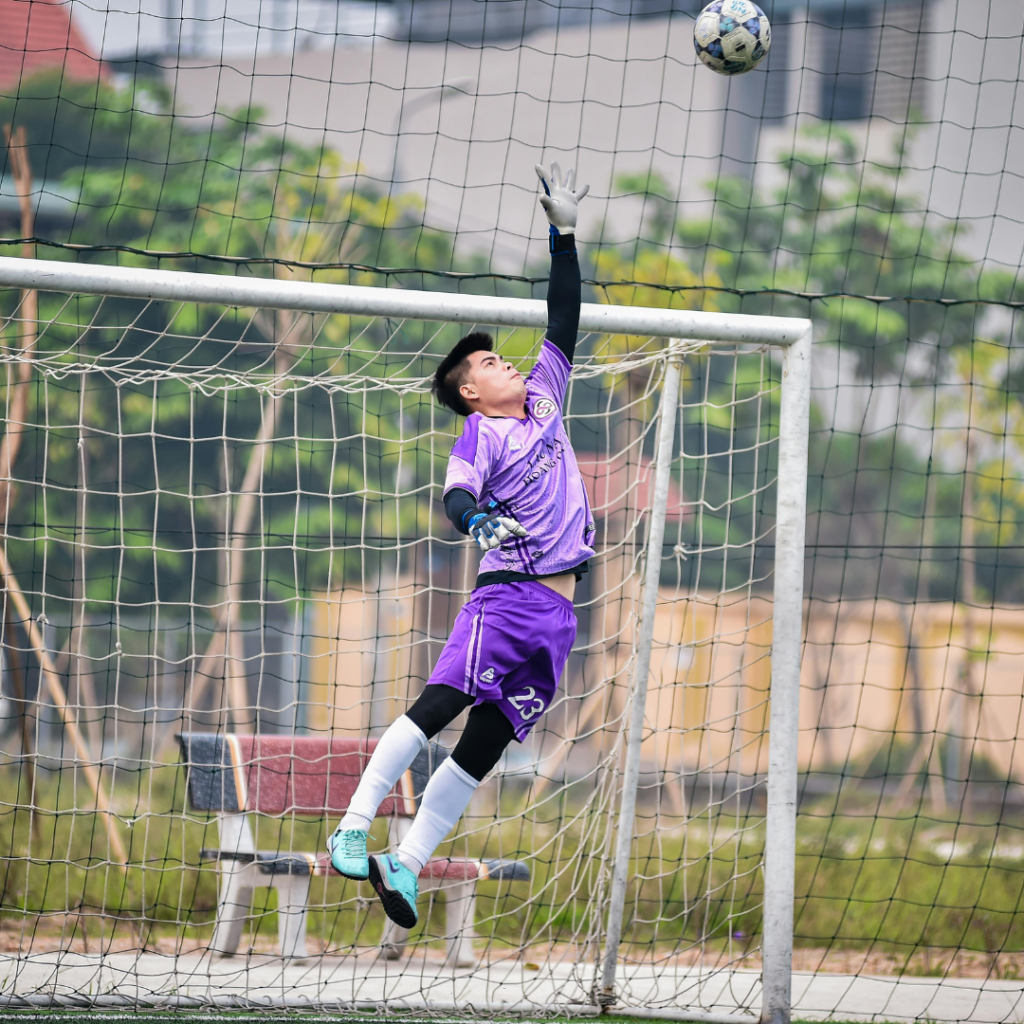
Despite their importance, many young goalkeepers don’t receive the position-specific training they need.
Common patterns in youth soccer:
Why does this matter? Because being undertrained in goal isn’t just a performance issue, it’s a safety and experience issue: Without learning safe catching and diving techniques, young keepers are more exposed to preventable injuries. Without guidance on positioning and decision-making, they are more likely to experience repeated “hard lessons” in games. Without emotional support, the position can feel lonely, high-pressure, and unforgiving.
The good news: parents and goalkeepers themselves can do a lot to close these gaps.
To thrive, goalkeepers need a blend of technical, physical, tactical, and mental development that looks different from a field player’s path.
A strong goalkeeper foundation includes:
Goalkeepers aren’t running the same distances as field players, but their physical demands are intense in different ways:
Good goalkeeping is as much about reading the game as it is about athleticism:
Perhaps the most overlooked part of goalkeeping is the mental load. Every mistake is visible and usually ends up on the scoreboard. Goalkeepers are too often blamed—by themselves, teammates, or even adults—for goals that may have started from a turnover or missed mark higher up the field. They need to develop a “next play” mentality: feel the mistake, learn from it, then quickly move on.
Supporting this side of the position is one of the most powerful things a parent can do.
Even in an environment where the position doesn’t get much attention, keepers can take ownership of their growth.
This doesn’t have to be complicated or expensive. A young goalkeeper can:
Encourage your goalkeeper to watch the game through a goalkeeper’s eyes:
Curiosity is a superpower for a young goalkeeper.
Many coaches simply don’t realize how interested a young player is in developing as a goalkeeper until the child speaks up.
Help your goalkeeper:
Younger players may need a parent’s help initiating these conversations; older players can gradually learn to do it themselves.
You don’t have to be a goalkeeper expert to make a big difference. You just need to be intentional.
When your child is spending meaningful time in goal, it’s reasonable to ask:
You’re not trying to be demanding; you’re advocating for basic safety and development in a specialized position.
After games, especially tough ones, your child doesn’t need a detailed breakdown of every goal they conceded.
More helpful approaches:
Your voice often becomes their inner voice. Keeping it calm, encouraging, and honest matters.
Goalkeepers need permission—from adults—to be human.
You can help by:
Being a goalkeeper should be challenging, but it should not feel like a burden your child carries alone.
The best outcomes happen when parents and coaches are on the same side. You can share your child’s feelings and goals with the coach in a calm, respectful way. Ask how you can reinforce the coach’s messages at home. And you can encourage your child to see the coach as an ally in their growth, even when they disagree on a specific decision. When a goalkeeper, parent, and coach are aligned around development and well-being, the position becomes far more sustainable and rewarding.
Stay up to date with the latest youth soccer news. Join our community today!