National 1 League (Formerly NPL): Youth Soccer Parent Guide
Editor’s note: This guide was updated in 2026 to reflect the launch of the National 1 League, which brings together the National Premier Leagues (NPL) and USYS National League into one unified competition platform.
Beginning with the 2026–27 season, NPL competition is being integrated into the new National 1 League, operated in collaboration by US Club Soccer and US Youth Soccer.
Navigating youth soccer in the United States can be overwhelming for parents, especially as league names, pathways, and postseason formats keep changing. This updated 2026 guide explains what the National 1 League is, how it grew out of the National Premier Leagues (NPL) and USYS National League, where it fits in the broader youth soccer landscape, and what families should know about competition level, travel, cost, and college‑track opportunities.
For many clubs and families, this tier of play sits between purely local/state travel leagues and the most travel‑heavy national platforms. It offers strong competition for boys and girls in the U13–U19 age groups while often keeping travel somewhat more manageable than some other national options, depending on the conference footprint in your area.
What Were the National Premier Leagues (NPL)?
Before the launch of the National 1 League, the National Premier Leagues (NPL) served as a nationally unified, regionally based competition platform under US Club Soccer, providing a key step between local travel leagues and higher‑end national play.
The National Premier Leagues (NPL) is a nationally unified, regionally based youth soccer platform managed by US Club Soccer for boys and girls in the U13 through U19 age groups. It is designed to provide high-level competition, meaningful matches, and clearer development pathways without requiring the same level of regular long-distance travel seen in some national leagues.
For many clubs and families, the NPL serves as an important platform for player development, regional recognition, and postseason opportunities. League champions and qualifiers can advance to the NPL Finals, giving top teams a national event to compete for titles while still spending most of their season in regional competition.
The Structure of the National 1 League: Regional Focus, National Pathway
National 1 League competition is organized regionally across the United States, allowing clubs to compete at a high level while keeping most regular‑season travel within a practical geographic footprint. That regional design remains one of the biggest reasons many families have chosen the NPL‑level pathway over more travel‑intensive national platforms.
As the National 1 League rolls out for the 2026–27 season, US Club Soccer and US Youth Soccer have designated league operators in different parts of the country to run local conferences and divisions under the shared N1L structure. Because the exact league map can evolve over time, parents should always confirm the latest setup directly with their club and league operator.
Below is a general look at how National 1 League–level competition is organized by region, along with examples of league operators that US Club Soccer and US Youth Soccer have approved for the 2026–27 season. Specific operators and districts can change over time, so always confirm details with your child’s club or league.
Historically, many of these regional leagues operated under the National Premier Leagues (NPL) banner. As the National 1 League rolls out, those same regions are being aligned under the new N1L structure, with league operators designated by US Club Soccer and US Youth Soccer.
This National 1 League graphic shows the current conference map and many of the league operators selected by US Club Soccer and US Youth Soccer for the 2026–27 season.
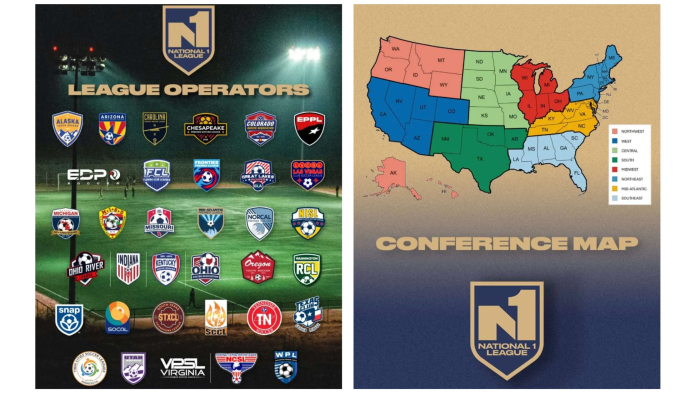
Below is a general look at how National 1 League–level competition is organized by region, along with examples of league operators. Specific districts can change over time, so always confirm details with your child’s club or league.
Western Region
In the western U.S., National 1 League competition builds on existing high‑level leagues so most regular‑season games stay inside a manageable regional footprint. Families typically see a mix of in‑state and nearby out‑of‑state opponents, with longer trips reserved for showcase‑style events or postseason play.
Examples of operators involved at this tier include organizations like:
- NorCal Premier
- Arizona Youth Soccer
- Colorado Soccer Association
- Las Vegas‑area league operators that help run N1L districts in the West.
Midwest Region
The Midwest structure focuses on strong regional competition, connecting clubs across states like Ohio, Michigan, and neighboring areas without turning every weekend into a flight. Most games are drivable, while special events and postseason play may require additional travel.
League operators such as:
- Great Lakes Alliance and
- state associations like the Michigan State Youth Soccer Association
help manage National 1 League districts in this part of the country, giving teams a clear, organized schedule at a high level of play.
Southern Region
In the South, the National 1 League connects competitive clubs from Texas and neighboring states through structured conferences that emphasize high‑level games and reasonable travel. Families can expect a season built around regional opponents, with the possibility of traveling farther if a team qualifies for national‑type events.
Operators in this area include leagues such as:
- the Frontier Premier League and
- El Paso Premier League
which help oversee N1L districts and ensure consistent standards across southern markets.
Southeast Region
The Southeast tends to have dense soccer markets, so National 1 League play often feels like “regional plus”—strong competition with many drivable games and occasional trips to neighboring states. Travel loads vary by club and conference, but many families find it more manageable than some fully national models.
Operators such as:
- Florida Club Leagues (FCL) and
- leagues selected in states like Georgia and the Carolinas
help run N1L districts in this region, providing structure and consistent standards for clubs in the Southeast.
Northeast Region
In the Northeast, National 1 League competition benefits from the high density of quality clubs, which allows for a tough game schedule without extreme travel. Many matches can be played within a few hours’ drive, especially in corridor areas with lots of clubs close together.
League operators such as:
- the Elite Development Program (EDP) and
- Mid‑Atlantic Premier League
are among those involved in overseeing N1L districts in this part of the country, tying together existing high‑level leagues under the new structure.
Mid-Atlantic Region
The Mid‑Atlantic region links clubs from markets like Virginia, Maryland, D.C., and surrounding states in a way that balances meaningful competition with realistic weekend travel. Families often see a compact conference footprint with a few longer trips layered in for key matchups or events.
Operators such as:
- the Carolina Premier Soccer League
- Mid‑Atlantic Premier League
and co‑operated leagues like:
- Virginia Premier Soccer League and
- National Capital Soccer League
are examples of groups selected to help manage National 1 League districts in this corridor.
Because league operators and districts can be added or realigned over time, the most accurate source of information will always be your child’s club and the league they register with for the season. Ask specifically which National 1 League conference or district they will be part of.
Age Groups and Development Pathways
The National 1 League tier primarily serves players in the U13 through U19 age groups, providing a consistent level of competition during the years that matter most for development, confidence, and long‑term planning. For many families, these seasons are when decisions about training environment, travel, and college‑track goals start to feel more serious.
Within those age groups, National 1 League–level play is just one piece of a larger development picture that also includes coaching quality, club culture, training volume, and the player’s own commitment. A strong environment at this tier can help motivated players grow, but it does not replace the need for good day‑to‑day training habits and clear communication between families, coaches, and clubs.
For younger players in the U9–U12 window, the focus is usually less on chasing a specific league name and more on finding a club that emphasizes technical development, decision‑making, and a healthy training environment. As players grow into the U13–U19 age groups, the questions naturally shift more toward competition level, travel expectations, and how a club’s National 1 League or former NPL teams fit into the player’s long‑term pathway.
How Does the National 1 League Fit into U.S. Youth Soccer?
Because youth soccer in the United States evolves quickly, specific league names, member clubs, and event formats can change from year to year. The National 1 League is designed to sit in the national team‑based tier below the most selective platforms like MLS NEXT and ECNL, but above most state and local travel leagues. Parents should always confirm current details with their local club and the official US Club Soccer or US Youth Soccer resources.
Understanding where National 1 League–level play fits helps parents make better club decisions:
- Most nationally recognized platforms: MLS NEXT, ECNL, and Girls Academy generally receive the most national attention and visibility, with the most selective player pools.
- National 1 League as a strong regional‑national bridge: National 1 League offers high‑level competition with more regional structure and generally more manageable routine travel than some fully national platforms, depending on the conference.
Market matters: The strength of a specific league and club can vary significantly by geography, so local context and club quality matter as much as the logo on the schedule.
Club quality matters most: Coaching, training environment, team culture, and player opportunity often matter more than the league label alone.
Pathways continue to evolve: Competition structures are changing, so families should verify current league status and future plans directly with their club leadership.
For many families, the National 1 League tier functions as a step below the most nationally prominent youth leagues, while still offering a meaningful competitive platform for motivated players. In the right club environment, it can provide a strong combination of development, competition, exposure, and family sustainability—especially for families who want high‑level games without committing to the heaviest national‑travel model.
Benefits of the National 1 League Tier for Youth Soccer Parents
Balanced Competition and Travel
One of the biggest advantages of the National 1 League tier is its regional structure. Families are often spared the time and expense of constant cross‑country travel, while players still face strong, well‑matched opponents. Most regular‑season games are within a reasonable driving distance, with only select showcases or postseason events requiring longer trips.Player Development Focus
Clubs competing at this level are encouraged to prioritize long‑term player development rather than short‑term results. In many National 1 League–aligned leagues, coaches focus on training quality, appropriate game demands, and player safety, which supports healthier growth through the U13–U19 years.College Recruiting Opportunities
Playing at the National 1 League tier can support college recruiting when players are in strong club environments that attend showcases and actively promote their athletes. College coaches regularly evaluate players from a variety of competitive platforms, and many players from this tier do move on to college soccer—particularly when families and clubs work together on a clear recruiting plan.Inclusive Opportunities for Both Genders
National 1 League–level competition is available to both boys and girls, providing access to high‑level games and development pathways across age groups. In many markets, these leagues give boys’ and girls’ teams a practical, competitive option that fits alongside school, family, and academic commitments.Community and Support
Many clubs playing at this level maintain deep roots in their local soccer communities, which can make them more approachable and sustainable for families. Parents often value the combination of competitive play, familiar opponents, and a club culture that still feels connected to the local area.High School Soccer Compatibility
In many cases, players can continue to participate in high school soccer while competing in a National 1 League–aligned program. This flexibility is important for families who want their players to enjoy both the school experience and a higher‑level club environment, though specific policies always depend on the individual club and league.
NPL Finals: How the Old Postseason Worked
Before the launch of the National 1 League, the NPL Finals served as the annual national championship event that brought together top teams from NPL member leagues across the country. Hosted in the Denver, Colorado area in recent seasons, it offered an exciting conclusion to the year and a major milestone for players, families, and clubs competing in the NPL pathway.
Each year, the NPL Finals featured a large field of boys’ and girls’ teams across multiple age groups from U13 through U19, showcasing the depth and quality of competition within the NPL platform. Clubs from many different regions qualified through their local NPL leagues and conferences to compete in a true national‑style environment.
For families, qualifying for the NPL Finals usually meant one major trip at the end of the year rather than frequent long‑distance travel throughout the season. That structure allowed most league play to remain regional, while still giving top teams the chance to compete for national‑level titles and experience a high‑profile championship atmosphere.
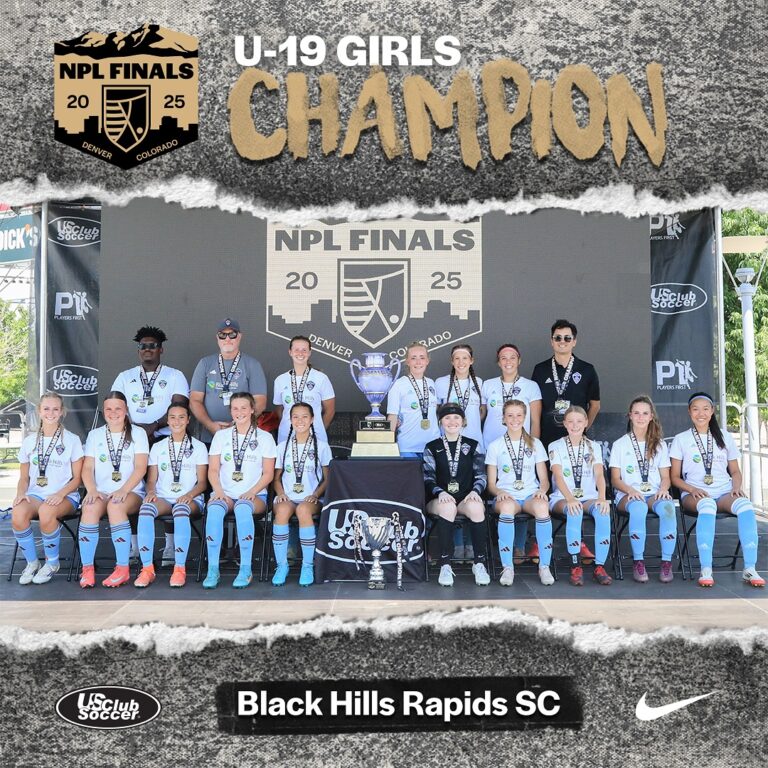

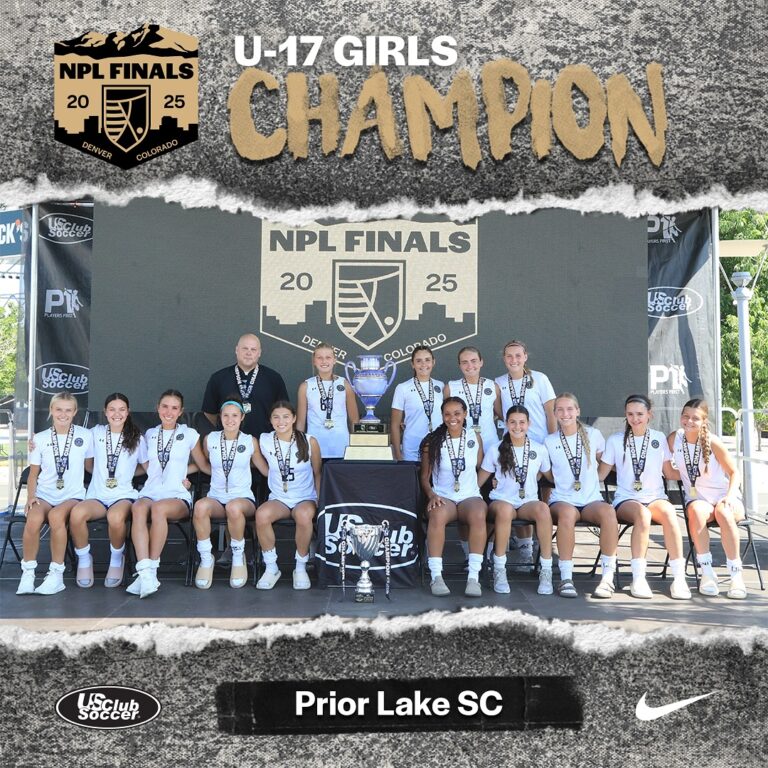
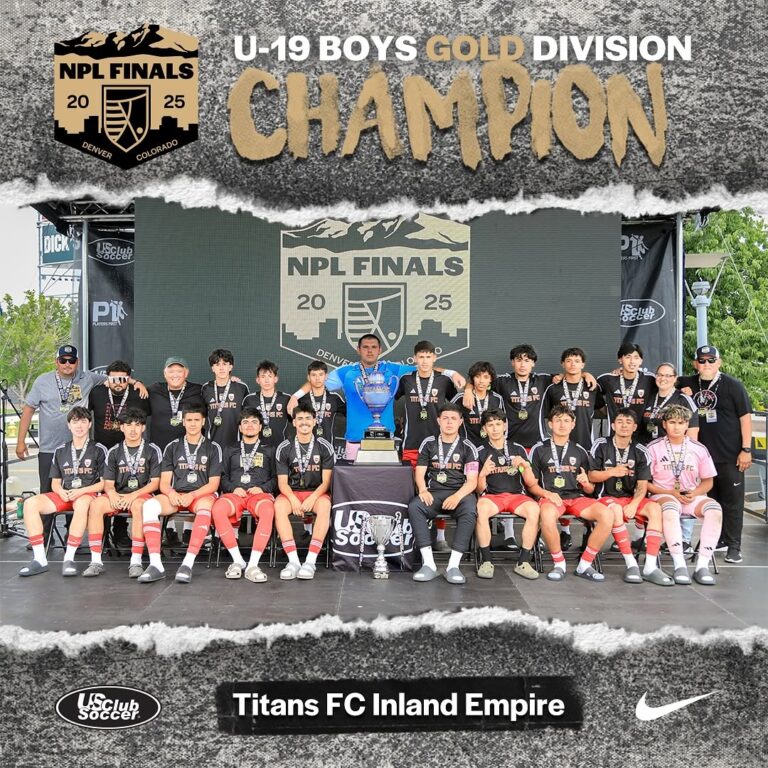
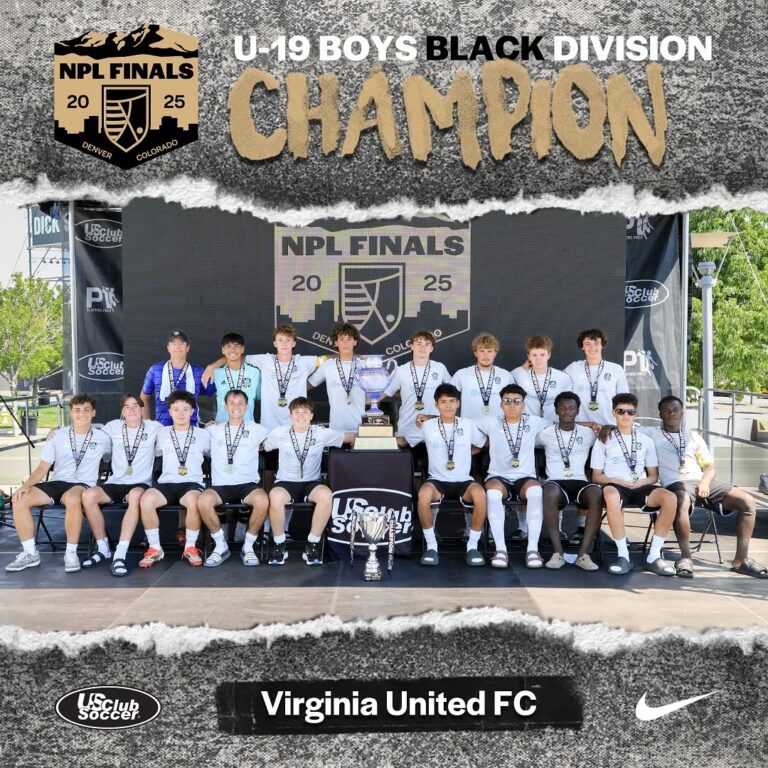
As the National 1 League postseason format is finalized, families can expect a similar idea—a chance for top teams from regional conferences and districts to come together in a high‑level national environment—under the new unified structure.
Player Identification and Development Pathways
National 1 League–level play can connect motivated players to additional identification and development opportunities, but how this works often depends on the specific club and region. Parents should ask each club how it uses league play, training, and events to help players be seen and supported.
id² Program
US Club Soccer’s id² Program has historically identified top players from its member leagues for additional training and evaluation opportunities. Families should ask their clubs whether and how players are nominated or invited into any current identification programs linked to National 1 League–aligned competition.Player Development Programs (PDPs)
In some areas, regional development events or PDP‑style programs give standout players a chance to train and compete in front of additional coaches and evaluators. These opportunities can complement a player’s regular club environment, but access and formats vary by market, so it’s important to confirm details locally.
No league guarantees individual player promotion, so the most important factors remain daily training quality, coach advocacy, and how your club engages with these programs.
Costs and Budgeting for National 1 League–Level Play
When evaluating National 1 League–level participation, families should consider several cost factors beyond the league logo itself:
Club Fees:
Annual registration and training fees vary by club and region. In many markets, clubs playing at this tier are competitive with or slightly more moderate than some national elite platforms, but fees can still be significant, especially when professionalized staffing and facilities are involved.Travel Costs:
The regional focus of this tier usually reduces overall travel compared with more national leagues, though families should still budget for occasional tournaments and any postseason trips if the team qualifies. Costs will depend heavily on your specific conference footprint—some leagues are much more local than others.Equipment and Gear:
Standard soccer equipment is required, and some clubs may also have team‑specific gear packages or travel apparel. These items can add up over the course of a year, so it’s worth asking for a full list up front.Additional Programs:
Optional camps, showcases, college recruiting events, or supplemental training can add to total costs and should be factored into family planning. Not all of these are required, but many families choose a few strategic add‑ons each year.
Many clubs at this level offer payment plans or need‑based assistance, which can make participation more accessible. The best approach is to ask each club for a clear breakdown of all expected costs for the year, including travel estimates and optional add‑ons, before you commit.
How to Choose the Right National 1 League Club
When evaluating clubs that play at the National 1 League level for your child, it’s important to look beyond the league patch on the jersey. Consider these key factors:
- Research the Club’s Reputation
Talk to current parents, ask about the club’s college placement record, and inquire about the coaching staff’s experience and qualifications. Look for clubs with licensed coaches who prioritize development and long‑term growth over short‑term winning.
- Consider Your Child’s Goals
If your child aspires to play in college or at higher levels, look for clubs that actively support the recruiting process and attend appropriate showcases. If they simply want to enjoy high‑level competition and development closer to home, a strong National 1 League–level club that fits your family’s schedule and budget may be ideal.
- Evaluate the Club’s Values
Look for clubs that emphasize development, character, and a positive environment for players and families. A clear club philosophy, consistent communication, and healthy sideline culture often matter just as much as results.
- Assess Training Quality and Frequency
Clubs at this tier should provide regular, age‑appropriate training sessions with qualified coaches. Ask about weekly training frequency, staff credentials, and how the club balances technical work, decision‑making, and physical development.
- Review the Club’s Track Record
Examine the club’s history of player development, team stability, and progression to higher levels of play. Recent examples of players improving, moving to stronger teams, or advancing to college programs can tell you more than any single season’s win‑loss record.
Success Stories and Alumni
Playing at the National 1 League tier (formerly the NPL level in many markets) has helped many players continue their soccer journey into college programs, advanced development environments, and higher levels of competition. While individual outcomes vary, this level’s focus on development and meaningful competition can support players who are motivated and in the right club setting.
College Recruiting Success
Across leagues that now sit within the National 1 League structure—and historically across NPL member leagues—many players have moved on to play college soccer at a variety of levels. In most cases, those success stories come from a combination of a strong club environment, consistent player development, and a clear recruiting plan that includes showcases, communication with coaches, and video.
Rather than focusing only on league‑wide numbers, families will get better insight by asking each club for recent examples of players who have advanced to college programs, what levels they reached, and how the club supported them along the way.Professional Pathways
A smaller number of players from this tier have progressed into higher‑level development environments such as professional academies, USL and MLS systems, or youth national team pools. These pathways are highly competitive and depend heavily on individual talent, commitment, timing, and the support network around the player.
For most families, the most useful question is not whether the National 1 League has produced pros, but whether a specific club has a track record of helping ambitious players reach their next appropriate step—whether that is a stronger team, a higher league, or a college opportunity that fits the player academically and athletically.
National 1 League vs. Other Elite Leagues: A Comparison
Understanding how the National 1 League tier compares to other top youth soccer leagues helps parents make informed choices for their player and family.
Travel Requirements
National 1 League–level play generally offers regional competition with more limited routine travel. Leagues such as ECNL, MLS NEXT, and Girls Academy often involve more frequent long‑distance trips, especially at the highest levels, although the exact travel load still depends heavily on your local conference and club.Cost
In many markets, this tier can be more affordable than some national elite platforms because of lower routine travel costs and slightly different fee structures. Exact costs still depend heavily on the specific club and region, so it’s important to compare full budgets, not just registration fees.College Exposure
Players at the National 1 League tier can gain college exposure through showcases, club‑driven recruiting efforts, and postseason or crossover events. ECNL, GA, and MLS NEXT may attract larger numbers of college scouts overall, but strong clubs at this level can still help motivated players be seen—especially when they are proactive with video, communication, and event selection.High School Eligibility
In many cases, players in this tier can continue to participate in high school soccer alongside their club teams. High school participation rules in other elite leagues vary by platform and club, so families should confirm current policies rather than relying on older assumptions.Development Focus
All of these leagues talk about player development, but the day‑to‑day experience depends on the individual club. For some families, the National 1 League’s regional format allows for more regular, meaningful games against suitable competition levels, which can be a major advantage when combined with a strong training environment.
A Note to Parents
The National 1 League tier—built on what families previously knew as NPL in many markets—remains an important part of the U.S. youth soccer landscape. It offers a development‑focused, competitive, and generally more regional option for many families. With opportunities for both boys and girls in the key U13–U19 years, this level can provide a strong balance of competition, exposure, and family sustainability when paired with the right club environment.
Because the youth soccer ecosystem continues to evolve, families should think of the National 1 League as one piece of a broader pathway rather than a standalone solution. Coaching quality, club culture, training habits, travel demands, and long‑term fit all matter just as much as the league badge on the jersey.
If you are considering National 1 League–level play for your child, connect with local clubs, watch training sessions and matches, and talk with other parents about their experiences. By choosing a club that aligns with your child’s goals and your family’s values—and understanding how this tier fits alongside other options—the National 1 League can be a rewarding part of your player’s soccer journey.