
NewsNews
Congress Takes a Look at Youth Sports
December 18, 20255 min read
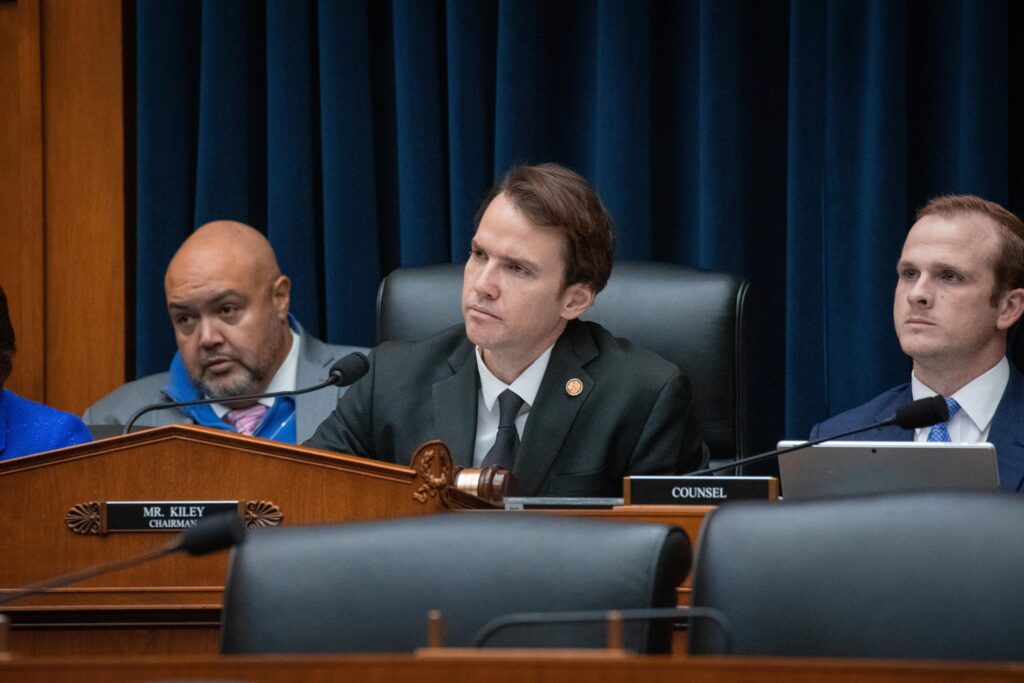
Subcommittee Chairman Kevin Kiley (R-CA) started the hearing by highlighting the economic and health costs of lower youth sports participation.
Parents were at the center of the House subcommittee’s rhetoric this week, but not at the witness table. The “Benched: The Crisis in American Youth Sports and Its Cost to Our Future” hearing put numbers and headlines to realities soccer parents live every weekend, yet no actual parent advocate was invited to testify about the family experience on the ground.
System‑level decisions about youth sports are usually made by governing bodies, clubs, investors, and policymakers, with parents positioned as consumers, not co‑designers. When parents lack organized representation, reforms risk defaulting to what institutions find administratively convenient or financially attractive, rather than what best supports healthy development, family balance, and long‑term participation.
What Congress focused on
The Early Childhood, Elementary, and Secondary Education Subcommittee spent roughly 90 minutes examining falling participation, rising costs, and the growing role of private equity in youth sports. Chairman Kevin Kiley (R‑CA) and others framed youth sports as a “crisis,” citing research that costs have jumped 46% since 2019 and that the average seasonal spend is now over 1,000 dollars per child, with many club and travel families paying far more.
Witnesses highlighted familiar pain points for soccer families: pay‑to‑play models, limited roster spots in school programs, a narrow “elite” pathway that starts too young, and the gap between scholarship dreams and statistical reality. Data presented to the committee underscored that only about 6% of high school athletes play in college and fewer than 1% of NCAA athletes reach the pros, even as many parents feel pushed toward high‑priced pathways in the hope of future opportunities.
Join U.S. Soccer Parent
Free for every soccer parent.
Save articles, get the free newsletter, and find guidance tuned to your state, your kids' ages, and the pathway your family is on.
Who had a microphone — and who didn’t
Congress called four expert witnesses: Tom Farrey of the Aspen Institute, Steve Boyle of 2‑4‑1 Sports, Katherine Van Dyck of the American Economic Liberties Project, and John O’Sullivan of Changing the Game Project. All four brought important perspectives — research, community programming, antitrust and private equity, and coaching culture — and several referenced “sports parents” in their written and oral testimony.
But none of them were there primarily as a representative voice for parents navigating club contracts, opaque fee structures, or the emotional and financial trade‑offs of youth sports. The hearing, like many conversations in sport policy, treated parents as a population to be studied and managed rather than stakeholders with their own organized voice and agenda.
The missing seat for soccer parents
For families in youth soccer, the themes Congress raised land close to home: escalating club dues, mandatory tournaments, add‑on “ID camps,” and technologies that promise exposure to college coaches for extra fees. Van Dyck described how private equity firms have vertically integrated leagues, facilities, travel, apparel, and recruiting platforms, leaving parents to navigate bundled, non‑negotiable costs in an increasingly consolidated marketplace.
Yet no one at the table spoke as the designated voice of those paying the bills and making weekly decisions about whether to drive three hours for a match or say no to a “required” showcase. Absent a parent witness, key questions for soccer families went largely unasked: How do contracts and refund policies protect or exploit parents? What transparency should be required for team selections, fees, and travel commitments? What happens to families who step away from the high‑cost pathway but still want quality, age‑appropriate soccer?
Why parent representation matters
Research and lived experience both show that parents play a central role in whether children enjoy sports and stay involved, for better or worse. Positive, attuned parental support is linked to greater enjoyment and persistence in sport, while negative behaviors — constant criticism, sideline outbursts, pressure tied to scholarships — correlate with stress, burnout, and dropping out.
Despite this, system‑level decisions about youth sports are usually made by governing bodies, clubs, investors, and policymakers, with parents positioned as consumers, not co‑designers. When parents lack organized representation, reforms risk defaulting to what institutions find administratively convenient or financially attractive, rather than what best supports healthy development, family balance, and long‑term participation.
What this means for youth soccer
For soccer specifically, the pressures Congress described are magnified by the sport’s fragmented landscape of national governing bodies, leagues, and tournament operators, each competing for players, prestige, and revenue. Families encounter overlapping badges and acronyms, multiple “national pathways,” and a steady stream of offers that blur the line between genuine development opportunities and pure monetization.
Without a structured parent voice in these conversations, policies on travel demands, year‑round calendars, roster sizes, and multi‑sport flexibility are often decided with minimal family input. That leaves individual parents to negotiate alone with powerful organizations, whether it is challenging a nonrefundable flight for a canceled showcase or questioning why 11‑year‑olds are being sorted into rigid “elite” and “non‑elite” tracks.
Building a real seat at the table
The hearing’s focus on cost, access, and consolidation created an opening to ask: What would it look like if soccer parents had formal representation in decisions that affect their children and their wallets? At the federal level, that could mean ensuring future hearings include parent advocates and family‑led organizations as witnesses whenever youth sports policy is on the agenda.
Closer to the pitch, meaningful representation could include parent advisory councils with real authority at club and league levels, family‑friendly transparency standards for fees and commitments, and clear, accessible grievance processes. National and state governing bodies could require structured parent input on competition formats, travel expectations, and sideline‑behavior initiatives, moving parents from being managed to being partners.
Where parents go from here
Congress has now put “the crisis in American youth sports” on the record, acknowledging that the system is not working for too many children and families. But until parents — including soccer parents — hold an intentional, organized seat at every level where decisions are made, reforms will risk addressing the industry’s needs more than the family’s.
For communities like ours (soccer parents), the task is twofold: staying informed about policy debates like this hearing, and building collective structures that can speak on behalf of families when legislators, investors, and governing bodies set the rules of the game. The crisis Congress described is real, but so is the opportunity for parents to move from sideline to table and help redesign youth soccer in a way that keeps more kids playing, for longer, in healthier environments.