
Blog
Athletics and Academics Can Develop Well-rounded Young People
March 13, 20265 min read
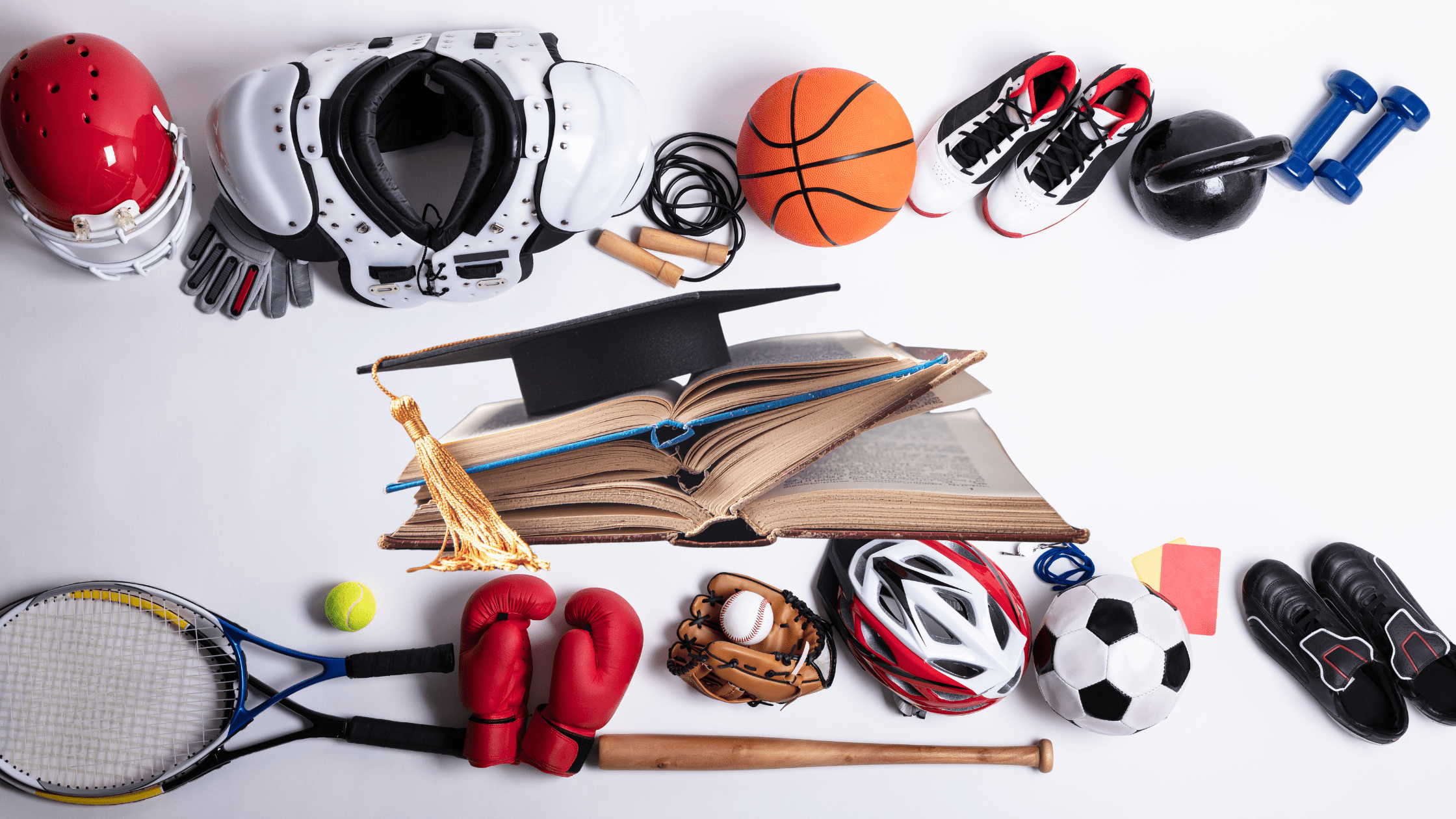
Intense focus on sport does not have to come at the expense of academics; when it’s done with intention, the same structures that build great athletes also build better students and stronger people. A recent Education Week article on sports as a vehicle for social‑emotional learning (SEL) is a powerful jumping‑off point, because SEL is exactly where athletics and academics meet.
Sports as a “living lab” for SEL
The Education Week piece highlights districts that use sports as a practical, everyday way to teach SEL skills—things like handling emotions, setting goals, working with others, and making good decisions. Instead of SEL being a once‑a‑week lesson on a slide deck, sport becomes a “living lab” where kids practice these skills under real pressure, with immediate feedback from coaches, teammates, and opponents.
Megan Bartlett of the Center for Healing and Justice Through Sport points out that sports combine three powerful ingredients: a web of supportive adults and peers, physical movement that helps with regulation and learning, and frequent doses of “constructive stress”—challenges that are hard but not overwhelming. Those same ingredients are essential for success in the classroom, where students need to persist through difficult assignments, collaborate with classmates, and recover from setbacks like poor test grades.
The 5 CASEL competencies on the field Here
CASEL, the leading organization in SEL, defines five core competencies: self‑awareness, self‑management, social awareness, relationship skills, and responsible decision‑making. High‑quality sports environments can touch all five—often in a single training session.
- Self‑awareness: Athletes constantly read their own emotional and physical state: “Am I nervous? Tired? Overconfident?” Learning to name and understand those feelings is classic self‑awareness, and it directly supports students’ ability to recognize when they’re anxious before a test or overwhelmed by schoolwork.
- Self‑management: Training demands that players regulate their emotions and impulses—finishing a tough conditioning run, bouncing back after a mistake, or responding constructively to a coach’s correction. That same self‑management underpins academic behaviors like studying consistently, turning in assignments on time, and persisting through challenging material.
- Social awareness: On a team, kids learn to read social cues, pick up on a teammate’s frustration or discouragement, and understand that others may see a situation differently. This builds empathy and perspective‑taking, which are essential in diverse classrooms and group projects.
- Relationship skills: Effective teams depend on communication, trust, and conflict resolution—whether it’s coordinating a press, negotiating playing time concerns, or owning a mistake that hurt the group. These same relationship skills help students collaborate with peers, seek help from teachers, and contribute positively to the school community.
- Responsible decision‑making: Every game is a stream of decisions: when to press, when to hold, whether to take a risky shot or recycle possession. Coaches who frame these choices with ethics, safety, and consequences in mind are reinforcing the same responsible decision‑making students need when navigating social media, friendships, and academic integrity.
In the California district featured in the article, practices intentionally include a short, structured SEL component—around 30 minutes—co‑led by a social worker and coach. Staff report real changes: players who initially melted down after losses or blamed teammates gradually learned to regulate emotions, take ownership, and encourage others. Those are the CASEL competencies in motion.
Why this helps in the classroom
The SEL gains from sport line up with a growing research base linking athletic participation to academic benefits.
- Multiple studies show that middle and high school athletes often earn higher grades and test scores than non‑athletes, even after controlling for demographics.
- – Athletes tend to have better attendance, higher GPAs, and higher graduation rates, suggesting that the habits and SEL skills developed in sport support staying on track academically.
- – Longitudinal research with large cohorts finds that staying involved in sport through adolescence is associated with stronger end‑of‑school results and higher odds of university attendance.
At the cognitive level, physical activity itself supports brain health: improved blood flow, stronger neural connections, and better attention and executive function. So the supposed “trade‑off” between time spent training and academic performance is far from automatic; in the right environments, the relationship is often mutually reinforcing.
Intensity vs. overload: where things can go wrong
None of this means that any schedule, at any intensity, is good for kids. There is a real difference between intentional intensity and unmanaged overload.
Research on young elite and collegiate athletes shows that when training and competition demands climb but support systems lag, mental health can suffer—stress increases, mood drops, and symptoms of anxiety or depression can appear. If heavy travel, late‑night games, and academic pressures stack up without attention to rest, nutrition, sleep, and emotional support, focus and performance can slip in both sport and school.
The goal for parents and clubs is not to lower ambition; it’s to protect the whole person. That means tactics like building calendars where school, sport, and sleep are planned together rather than competing in the moment, training coaches to see SEL and mental health as part of their job, not “someone else’s department” and keeping open communication among parents, teachers, and coaches about workload, warning signs, and necessary adjustments.
In other words, intensity is powerful when anchored in SEL and academics, but risky when it floats alone.
FUTEDU Academy in Valencia, Spain: sport and schooling, by design
At U.S. Soccer Parent, our goal is to partner with the highest quality organizations. FUTEDU in Spain is a strong example of what it looks like when football and education are tied together in philosophy and daily practice, so for parents contemplating “play-abroad” opportunities but are concerned about the potential impact of that on their child’s education, they can be a strong option to consider.
FUTEDU’s academy is built on a simple but profound belief: education and football “go hand in hand” to develop both players and people. Players continue formal studies through Spanish schools and universities while pursuing a high‑level football environment, rather than pressing pause on academics.
Daily life at FUTEDU is structured around both domains: class schedules, homework routines, and academic support are woven into the same plan as training, recovery, and competition. Coaches and staff don’t only track minutes played and performance metrics; they monitor academic engagement and well‑being and emphasize behaviors that reflect CASEL’s competencies—self‑management around time and energy, relationship skills inside the team residence, responsible decision‑making on and off the pitch.
For families navigating the youth soccer landscape, the message is clear: you do not have to choose between intense sport and serious schooling. Programs that intentionally build SEL, align with the CASEL core competencies, and integrate education into the daily rhythm—like the district model in the EdWeek article and our partners at FUTEDU—show that athletics and academics can amplify each other, preparing young people for life long after the final whistle.