Don’t Forget About The Goalkeeper!

Goalkeepers are often the most influential players on the field—and yet, in youth soccer, they can be the most overlooked. As parents, we spend a lot of time thinking about teams, leagues, and playing time, but far less time thinking about what our goalkeeper actually needs to grow, stay safe, and enjoy the game.

This article is for the families of “the kid in goal”: the ones diving at feet, organizing the defense, and carrying the emotional weight of every goal scored. When we understand the unique demands of the position and the gaps in typical youth training, we can become strong advocates for our children and partners to their coaches.

Why Goalkeepers Matter So Much

On paper, the goalkeeper is one of eleven players. In reality, they often decide games.

A single save—or a single mistake—can change a result. A confident, organized goalkeeper settles a back line. A hesitant, uncertain one can make an entire team nervous. And in the modern game, goalkeepers are not just shot-stoppers; they are playmakers, organizers, and emotional leaders.

Some key ways goalkeepers shape the game:

  • They are the last line of defense and often the difference between a win, draw, or loss.  
  • They see the entire field and are uniquely positioned to organize defenders, call out runners, and anticipate danger before it happens.  
  • They are the “first attacker,” starting play with throws, rolled passes, side volleys, and long distribution that can launch counterattacks.  If you watch pro soccer, you’ll notice how frequently offense sequences start with the goalkeeper even though we tend to think of it as a purely defensive position.
  • Their body language and communication influence the team’s confidence, especially after goals or big chances.


When we treat the goalkeeper as central—not secondary—to team performance, it changes how we think about their training, support, and experience.
The Quiet Problem: Goalkeepers Are Often Neglected

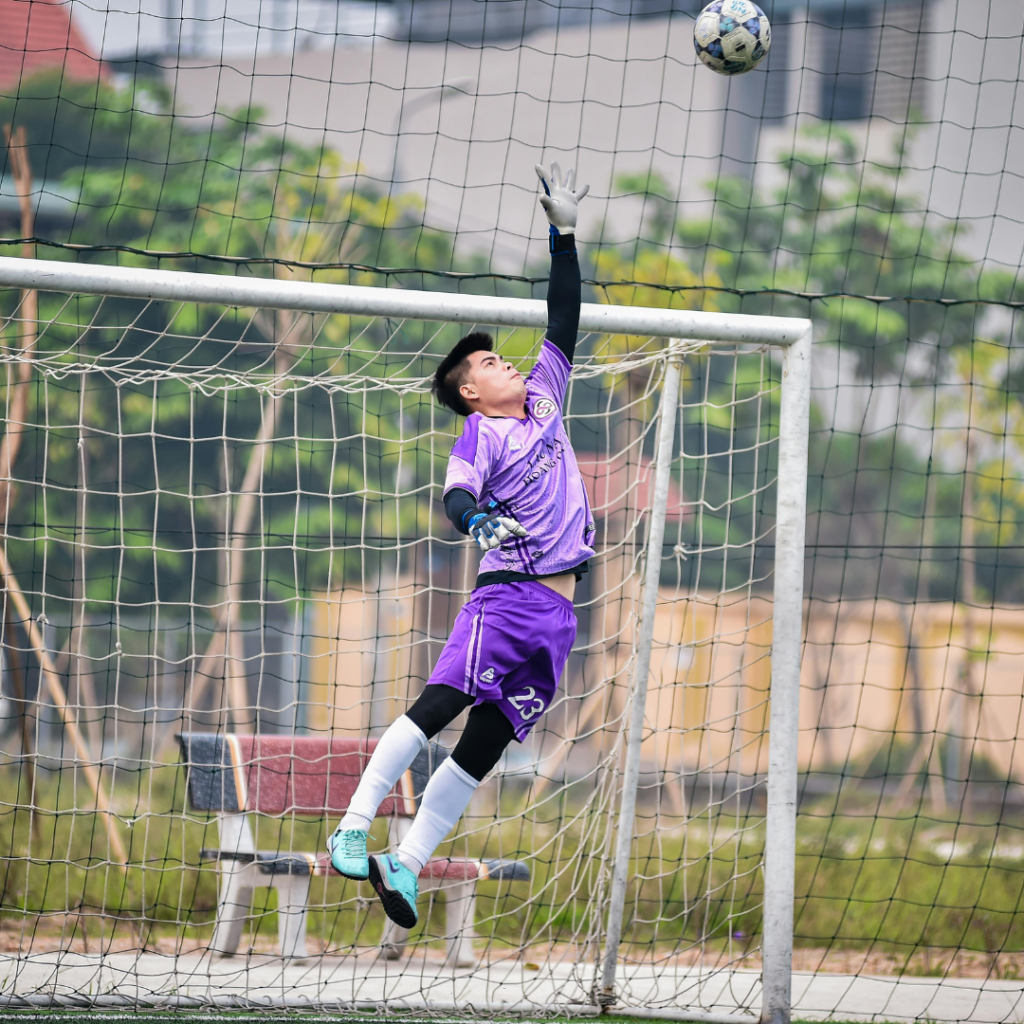
Youth Soccer Goalkeeper jumping up to stop a goal

Despite their importance, many young goalkeepers don’t receive the position-specific training they need.

Common patterns in youth soccer:

  • The “default” goalkeeper  
    • A player is put in goal because they’re tall, not running as fast as others, or simply because they “don’t mind it”—not because anyone has a development plan for them.
  • Used as a target, not coached  
    • In team training, the goalkeeper is sometimes just the person standing in the net for shooting drills. They face shot after shot but receive very little technical instruction on positioning, handling, or decision-making.
  • Little or no dedicated goalkeeper coaching  
    • Many clubs either don’t have a goalkeeper coach, or that coach only works consistently with the oldest or “top” teams. Younger and mid-level keepers are left to figure things out on their own.
  • Minimal integration with the team  
    • Goalkeepers may spend pieces of training off to the side but rarely work in a structured way with the back line on communication, positioning, and set pieces.

Why does this matter? Because being undertrained in goal isn’t just a performance issue—it’s a safety and experience issue:  Without learning safe catching and diving techniques, young keepers are more exposed to preventable injuries. Without guidance on positioning and decision-making, they are more likely to experience repeated “hard lessons” in games.  Without emotional support, the position can feel lonely, high-pressure, and unforgiving.

The good news: parents and goalkeepers themselves can do a lot to close these gaps.

What Goalkeepers Actually Need

To thrive, goalkeepers need a blend of technical, physical, tactical, and mental development that looks different from a field player’s path.

Technical skills

A strong goalkeeper foundation includes:

  1. Handling and catching  
    • Learning proper hand shape, clean catches into the chest, dealing with shots at different heights, and securing high balls safely.
  2. Diving technique  
    • Understanding how to step, push, and land safely, rather than just “throwing themselves” at the ball. Good habits here protect both performance and health.
  3. Footwork  
    • Quick, efficient steps so they arrive in line with the ball, set their feet, and react—rather than jumping from poor positions.
  4. Distribution  
    • Throws, rolls, passes, and longer kicks that keep possession and help the team build attacks, instead of simply “booting it” under pressure.
Physical and movement needs

Goalkeepers aren’t running the same distances as field players, but their physical demands are intense in different ways:

  • Short, explosive movements—lateral shuffles, quick resets, and jumps.  
  • Balance and coordination to move, plant, and dive under pressure.  
  • Age-appropriate strength work focused on core and hips, not heavy weights.
Tactical understanding

Good goalkeeping is as much about reading the game as it is about athleticism:

  • Learning where to stand as the ball moves around the field.  
  • Understanding when to come off the line, when to stay, and how to narrow angles.  
  • Organizing defenders: setting the line, marking runners, and directing set-piece defending.

Mental and emotional skills

Perhaps the most overlooked part of goalkeeping is the mental load. Every mistake is visible and usually ends up on the scoreboard.  Goalkeepers are too often blamed—by themselves, teammates, or even adults—for goals that may have started from a turnover or missed mark higher up the field.  They need to develop a “next play” mentality: feel the mistake, learn from it, then quickly move on.

Supporting this side of the position is one of the most powerful things a parent can do.

What Goalkeepers Can Do Themselves

Even in an environment where the position doesn’t get much attention, keepers can take ownership of their growth.

  1. Create a simple, consistent training routine

This doesn’t have to be complicated or expensive. A young goalkeeper can:

  • Do handling drills against a wall at home: alternating hands, low catches, and high catches.  
  • Practice footwork with cones, lines in the driveway, or a ladder: small, quick steps that mimic game movements.  
  • Work on basic diving technique on soft ground or a mat, focusing on good form and safe landings.
  • A couple of short sessions per week, done consistently, can build skills and confidence over time.


  1. Become a student of the position

Encourage your goalkeeper to watch the game through a goalkeeper’s eyes:

  • Watch professional or college matches and focus on where the goalkeeper stands, how they communicate, and what they do before the shot—not just the save itself.  
  • After games, write down one or two things that went well and one or two things to work on. Over time, patterns will emerge.  
  • Ask coaches specific questions: “Where should I start on corners?” or “What could I have done differently on that 1v1?”

Curiosity is a superpower for a young goalkeeper.


  1. Communicate with coaches

Many coaches simply don’t realize how interested a young player is in developing as a goalkeeper until the child speaks up.

Help your goalkeeper:

  • Tell the coach they’re serious about the position and want to improve.  
  • Ask whether a few minutes of each practice can be dedicated to goalkeeper technique.  
  • Share if they are feeling overwhelmed or unsure—coaches often appreciate this honesty and will adjust if they can.


Younger players may need a parent’s help initiating these conversations; older players can gradually learn to do it themselves.

What Parents Can Do to Support Their Goalkeeper

You don’t have to be a goalkeeper expert to make a big difference. You just need to be intentional.

     ♦ Ask good questions of the club

When your child is spending meaningful time in goal, it’s reasonable to ask:

  • Who is responsible for goalkeeper development here?  
  • How often do goalkeepers receive specific technical training?  
  • Are younger and non-elite goalkeepers included in that plan?

You’re not trying to be demanding; you’re advocating for basic safety and development in a specialized position.

     ♦ Focus your feedback on effort and learning

After games, especially tough ones, your child doesn’t need a detailed breakdown of every goal they conceded.

More helpful approaches:

  • Start with how they feel: “How did it feel out there today?”  
  • Highlight specific positives: “I noticed how you came off your line bravely on that through ball,” or “You kept talking to your defenders even when it was 3–0.”  
  • Frame mistakes as part of the learning process: “Every keeper concedes. Let’s think about what you learned today.”

Your voice often becomes their inner voice. Keeping it calm, encouraging, and honest matters.

    ♦ Support resilience and emotional health

Goalkeepers need permission—from adults—to be human.

You can help by:

  • Normalizing tough days: share stories of professional goalkeepers who have made high-profile mistakes and bounced back.  
  • Watching for signs of anxiety or dread about games and practices, and being willing to talk about it openly.  
  • Considering whether your child needs a break from being in goal all the time, or a chance to play on the field as well, especially at younger ages.

Being a goalkeeper should be challenging, but it should not feel like a burden your child carries alone.

    ♦ Partner with coaches, don’t battle them

The best outcomes happen when parents and coaches are on the same side.  You can share your child’s feelings and goals with the coach in a calm, respectful way.  Ask how you can reinforce the coach’s messages at home.  And you can encourage your child to see the coach as an ally in their growth, even when they disagree on a specific decision.  When a goalkeeper, parent, and coach are aligned around development and well-being, the position becomes far more sustainable and rewarding.

Other Content You May Like

Stay Ahead of the Game ⚽

Don’t miss the latest youth soccer news, player stories, and development tips.

Join our FREE newsletter today and stay connected!

We do not sell or rent your email address to any third parties.