Blog
The 2026 World Cup: Soccer’s Golden Moment to Captivate Young America
October 10, 20256 min read
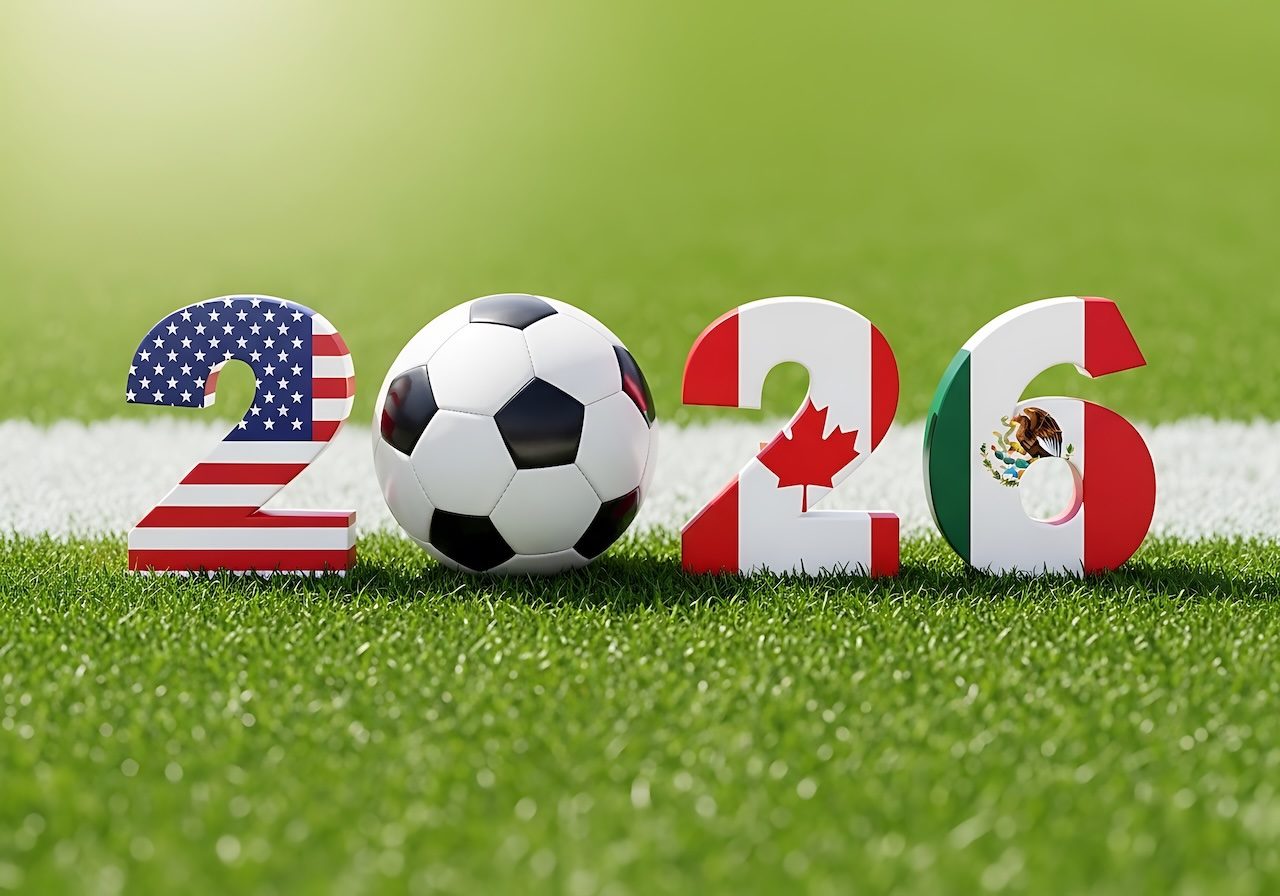
The combination of world-class venues, unprecedented media coverage, innovative partnerships like a just-announced MrBeast collaboration, and a generation already primed for soccer success creates conditions unlike anything the sport has experienced in America. For parents of young soccer players, that transformation starts in their own backyard, right now.
The countdown has begun. As the marketing trade publication AdWeek puts it, “The Summer of Soccer Begins Now” – a phrase that perfectly captures the mounting excitement of the 2026 FIFA World Cup. The global tournament is poised to transform soccer’s place in American culture forever. For youth soccer parents, this represents the most significant opportunity in decades to elevate soccer to the same level of excitement and cultural relevance as American football and basketball for the next generation of young Americans.
A Historic Tournament on Home Soil
The 2026 World Cup will make history as the first tournament jointly hosted by three nations – the United States, Canada, and Mexico – with matches taking place across 16 spectacular venues from New York to Miami. This isn’t just another soccer tournament; it’s the largest World Cup ever, expanding from 32 to 48 teams and promising to deliver unprecedented excitement directly to American doorsteps.
The tournament’s scale is staggering. Economic projections show it could add over $17 billion to the US GDP and create more than 185,000 jobs across various industries. But beyond the economic impact, this World Cup represents a cultural inflection point that could permanently reshape how young Americans view and engage with soccer.
Soccer's Momentum is Already Building
The foundation for soccer’s explosion is already firmly in place. MLS attendance reached record highs in 2024, with an average of 23,234 spectators per game and total attendance exceeding 11.45 million – both league records. This represents a 69% increase from the record low attendance in 2000, demonstrating sustained growth that extends far beyond temporary spikes.
The viewing patterns are even more compelling. International soccer viewership among Americans has experienced dramatic 60% growth since 2018, jumping from 31.4 million to over 50.3 million viewers. This isn’t a fleeting trend – it represents systematic adoption across previously resistant demographic segments, including significant penetration among older Americans, female audiences, and diverse ethnic communities.
Youth participation is following suit. While traditional American sports face challenges in maintaining engagement, soccer participation among youth has grown by 19.5% from 2020-2021, making it one of the fastest-growing youth sports in the country. This growth comes even as overall youth sports participation faces headwinds, suggesting soccer’s unique appeal to the next generation.
Join U.S. Soccer Parent
Free for every soccer parent.
Save articles, get the free newsletter, and find guidance tuned to your state, your kids' ages, and the pathway your family is on.
The MrBeast Effect: Making Soccer Cultural Currency
The recent announcement of the “Road to Beast Cup” initiative between MrBeast and TelevisaUnivision perfectly exemplifies how soccer is becoming cultural currency among young Americans. This initiative, featuring top global creators teaming up with soccer legends for a 1v1 Creator Cup at Mexico City’s iconic Estadio Azteca, demonstrates soccer’s growing intersection with digital culture and social media – the languages young Americans speak fluently.
MrBeast, with his massive following among Gen Z and Gen Alpha, brings legitimacy and excitement to soccer in ways traditional marketing never could. As Jeff Housenbold, CEO of Beast Industries, noted: “Soccer is the world’s most popular sport, and Jimmy is the world’s most popular creator”. This partnership isn’t just about entertainment; it includes philanthropic efforts to build soccer fields and schools, creating lasting infrastructure that will benefit young players for years to come.
Learning from the Women's Success Story
American soccer parents have a powerful example of what sustained success looks like in the U.S. Women’s National Team (USWNT). The women have achieved what every soccer parent dreams of: they’ve made soccer America’s sport. With four World Cup titles (1991, 1999, 2015, 2019) and five Olympic gold medals, the USWNT has consistently dominated international competition and captured American imagination.
The women’s success provides a blueprint for broader soccer growth. Their achievements have demonstrated that American players can not only compete with but dominate the world’s best. They’ve shown that soccer success translates into cultural relevance, inspiring countless young girls to pick up the sport and dream big. The 2026 World Cup presents the opportunity for the men’s team to achieve similar breakthrough moments that could inspire a generation of young boys and solidify soccer’s place in American sports culture.
The Infrastructure Revolution
Unlike the 1994 World Cup, which relied primarily on existing facilities, the 2026 tournament is driving massive infrastructure improvements specifically designed to elevate soccer’s profile. Eight of the sixteen chosen stadiums are installing grass surfaces specifically for soccer, demonstrating FIFA’s commitment to showcasing the sport at its highest level.
These aren’t just cosmetic changes. Cities are investing in upgraded stadiums, enhanced public transportation, and improved fan amenities that will serve soccer long after the tournament concludes. The tournament features some of America’s most iconic venues, including MetLife Stadium (hosting the final), AT&T Stadium (semi-final), and Mercedes-Benz Stadium (semi-final), ensuring soccer receives the same treatment as the NFL’s biggest games.
Breaking Down the Pay-to-Play Barriers
One of the most significant long-term impacts of the 2026 World Cup could be addressing soccer’s accessibility challenges. The tournament has brought renewed focus on breaking down pay-to-play barriers that have historically limited soccer’s growth. San Diego FC’s MLS NEXT Academy is launching its inaugural season with a fully funded, residential soccer school for the region’s youth.
In Houston, new partnerships with Houston Dynamo FC are creating youth clubs for underserved communities, while Atlanta is constructing a $200 million national training center that will serve as a permanent home for youth development.
The U.S. Soccer Foundation has already demonstrated this potential, achieving 39% average year-over-year growth in their Soccer for Success program even as national youth participation declined in other areas. Their approach focuses on making soccer “easy and affordable access to a quality soccer program that is fun and engaging”. The World Cup’s spotlight could accelerate these efforts nationwide.
The Cultural Tipping Point
What makes 2026 different from previous opportunities is the convergence of multiple factors. The tournament arrives at a moment when American soccer fans have developed sophisticated soccer palates that appreciate varying styles and competitions. Unlike traditional American sports dominated by single domestic leagues, soccer offers American fans unique opportunities to engage with multiple international competitions throughout the year.
This “league diversification” phenomenon – where American fans simultaneously follow Premier League, Champions League, LaLiga, Liga MX, and MLS – creates an immersive viewing experience unavailable to fans of any other sport. The average dedicated soccer fan now consumes over 12 hours of soccer content weekly across multiple platforms. See: “Watch the Pros”
For youth soccer parents, this means their children are growing up in an environment where soccer content is abundant, accessible, and increasingly sophisticated. The 2026 World Cup won’t need to convert skeptics – it will amplify existing momentum and provide the definitive moment that establishes soccer’s permanent place in American sports culture.
The Generation Game
Perhaps most importantly, the 2026 World Cup targets the exact demographic primed to embrace soccer fully. 70% more 18-34 year old fans watched FIFA Club World Cup matches compared to the general sports audience, indicating that younger Americans are already embracing soccer at unprecedented rates. These young adults are now becoming parents themselves, creating a generational shift that favors soccer’s continued growth.
The timing couldn’t be better for youth soccer parents. Their children will experience the World Cup during their formative athletic years, creating memories and aspirations that could last lifetimes. As Landon Donovan observed: “We’re at a point where we’re doing a lot of things well… Next summer’s World Cup can close that gap, provided we don’t waste the opportunity”.
The Path Forward
The 2026 World Cup represents more than just a soccer tournament – it’s soccer’s chance to achieve the cultural breakthrough that places it alongside American football and basketball in the hearts and minds of young Americans. The infrastructure is being built, the audience is developing, and the cultural momentum is accelerating.
For youth soccer parents, the message is clear: this is soccer’s moment. The combination of world-class venues, unprecedented media coverage, innovative partnerships like the MrBeast collaboration, and a generation already primed for soccer success creates conditions unlike anything the sport has experienced in America.
The summer of soccer begins now – the transformation that could make soccer America’s sport for generations to come. The question isn’t whether soccer will grow from the 2026 World Cup, but how dramatically it will reshape the American sports landscape. For parents of young soccer players, that transformation starts in their own backyard, right now.