
NewsNews
Equip Sport’s North American Plans
January 27, 20263 min read
No Ball? No Problem!
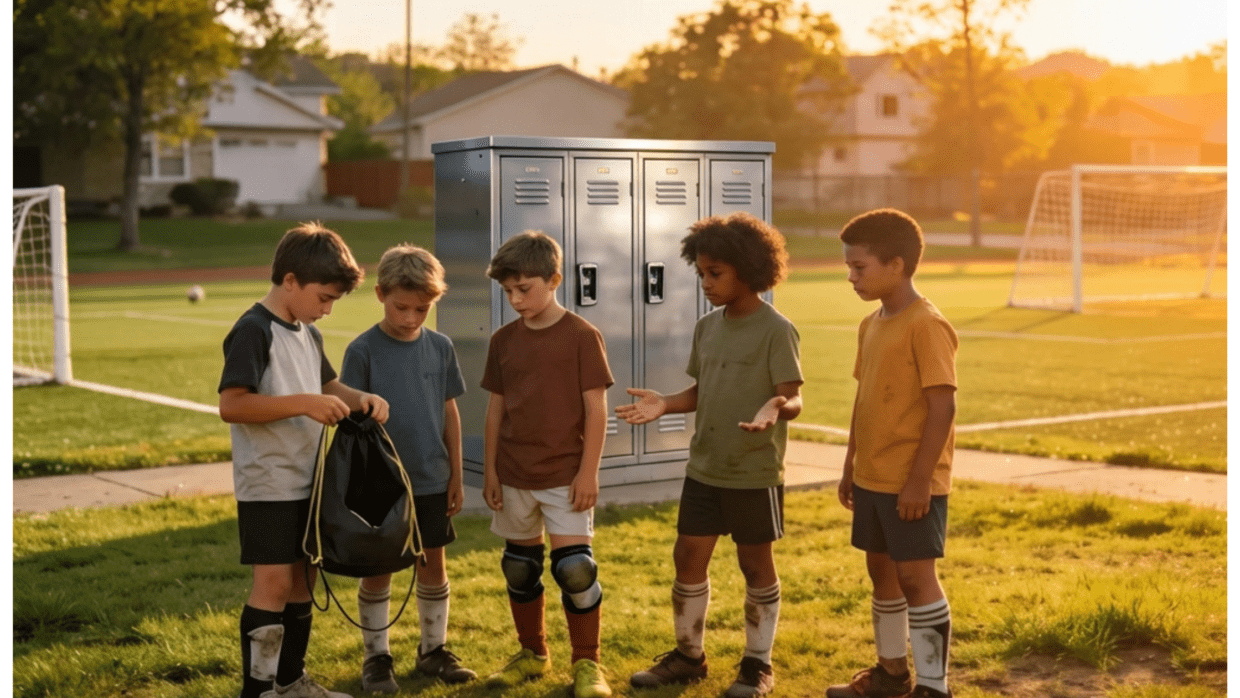
Equip Sport, a Swiss-based provider of self-service modular sports equipment lockers, is preparing to enter the U.S. market this year, bringing a European “access over ownership” model for balls and other gear into American public spaces. For youth soccer families, on-demand equipment lockers could make spontaneous play more accessible, especially in dense urban areas where kids and teens may not always carry a ball. A properly stocked station next to a public field or futsal court could turn an unplanned stop at the park into a meaningful technical session or small-sided game.
What Equip Sport Does
Equip Sport operates autonomous locker stations installed in public spaces such as parks, courts, and recreation areas, each stocked with shared sports equipment. Using the Equip Sport mobile app, users locate a nearby station, unlock a compartment with their phone, and borrow equipment like soccer balls, basketballs, or volleyballs to use on the spot.
The company positions its model around access rather than ownership, aiming to make it easier for people to be active without needing to bring or buy their own gear. Stations are modular, non-invasive units that can be installed, relocated, or scaled relatively quickly in different urban environments and community spaces.
Expansion Toward North America
Equip Sport has grown its network to hundreds of stations across Europe, partnering with municipalities and sports organizations to place lockers in high-traffic public locations. In 2025, the company made its first North American move with stations in Surrey, British Columbia, where users can borrow balls and other equipment free of charge via the app.
Company representatives have indicated that U.S. expansion is scheduled and that a strategic partner has been identified, with the platform “expected to enter the U.S. market sometime this year.” While specific U.S. launch cities have not yet been publicly announced, the North American strategy has focused on municipal and community partners who want to promote low-cost physical activity.
This type of shared-resource model may also help lower informal barriers for newer or younger players who do not yet own quality balls or who split time between multiple households. If deployed near schools, community centers, and multi-sport facilities, the lockers could support pickup soccer before or after training, encourage mixed-age play, and keep kids active on non-practice days.
Considerations for Cities, Clubs, and Parents
Local governments and facility operators considering an Equip Sport deployment will weigh questions of cost, maintenance, and vandalism against the benefits of increased free play and community use. Equip provides a cloud-based operating system that allows partners to monitor stations, track usage, and manage maintenance in real time, which is designed to address some of those concerns.
For clubs and coaches, these lockers could complement formal training by giving players more opportunities to touch the ball outside of structured sessions, especially when placed near existing practice venues. Parents may see value in a system that allows siblings or friends to play even if someone forgot a ball, reducing the reliance on always having a trunk full of gear.
As Equip Sport moves closer to a U.S. launch, details such as initial markets, specific partner cities, and which sports will be prioritized are likely to clarify over the coming months. Given the company’s emphasis on soccer, basketball, volleyball, and other accessible sports in its European deployments, soccer families should expect the lockers to feature balls suitable for both casual play and basic individual training.